Blood sugar problems rarely start with sugar alone. Prediabetes and type 2 diabetes develop from insulin resistance, inflammation, and metabolic strain that build up over years — which is why the most effective approach goes after the root instead of only the number on the meter.
Getting to the Root
What commonly sits underneath this concern — and what we look for.
Insulin resistance
Cells stop responding well to insulin, so the body compensates by making more. This is the earliest driver of type 2 diabetes and can be present for years before blood sugar rises.
Blood sugar spikes and crashes
Refined carbohydrates and low fiber drive sharp glucose swings, straining the pancreas and leaving energy and mood unstable.
Chronic inflammation
Low-grade inflammation in fat tissue and the liver worsens insulin resistance and speeds the progression of metabolic disease.
Excess visceral fat
Fat stored around the liver and organs is metabolically active and strongly linked to insulin resistance.
Poor sleep and chronic stress
Elevated cortisol raises blood sugar and increases cravings, undermining glucose control even when the diet is good.
Nutrient gaps
Magnesium, chromium, vitamin D, and B vitamins are commonly low in people with blood sugar concerns — and each plays a role in glucose metabolism.
Gut microbiome imbalance
The bacteria in your gut influence inflammation and how the body handles glucose.
What Helps
Blood sugar support botanicals
Herbs such as berberine, cinnamon, gymnema, and bitter melon have a long tradition of supporting healthy glucose levels.
Fiber-first eating
Non-starchy vegetables, legumes, and whole grains slow glucose absorption and feed beneficial gut bacteria.
Protein and healthy fats with meals
Pairing carbohydrates with protein and fat flattens the glucose response.
Movement after meals
A 10–15 minute walk after eating helps muscles take up glucose without needing extra insulin.
Sleep and stress support
Protecting sleep and building a stress practice measurably improves insulin sensitivity.
Targeted nutrients
Correcting magnesium, chromium, and vitamin D status supports healthy glucose metabolism.
Regular monitoring
Tracking fasting glucose, HbA1c, and symptoms shows what is actually working for you.
Diet & Lifestyle
Build meals around non-starchy vegetables, protein, and healthy fats, and treat refined carbohydrates and sugary drinks as occasional. A short walk after meals, resistance training two to three times a week, and protecting seven to eight hours of sleep all improve insulin sensitivity. Stress management is not optional here — chronic cortisol elevation works directly against blood sugar control.
Berberine
Berberis aristata / Berberis vulgaris
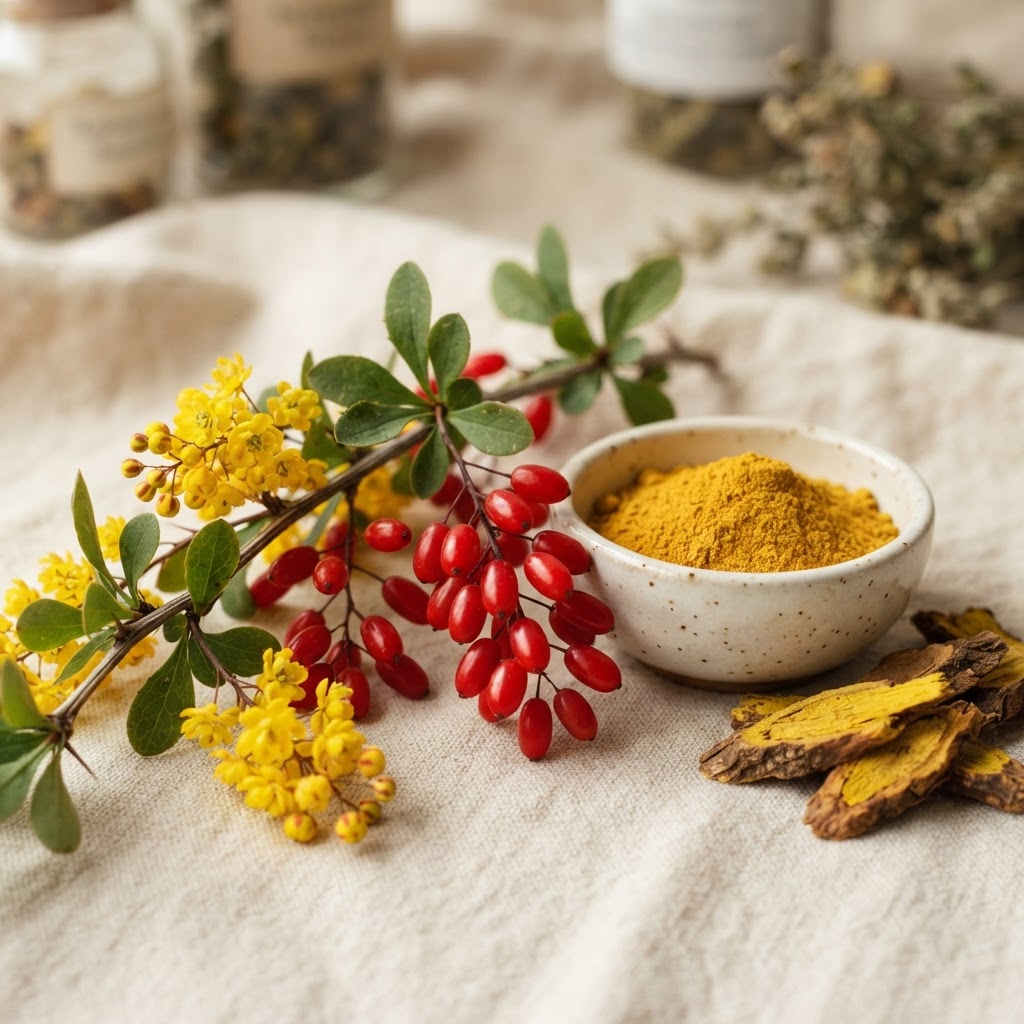
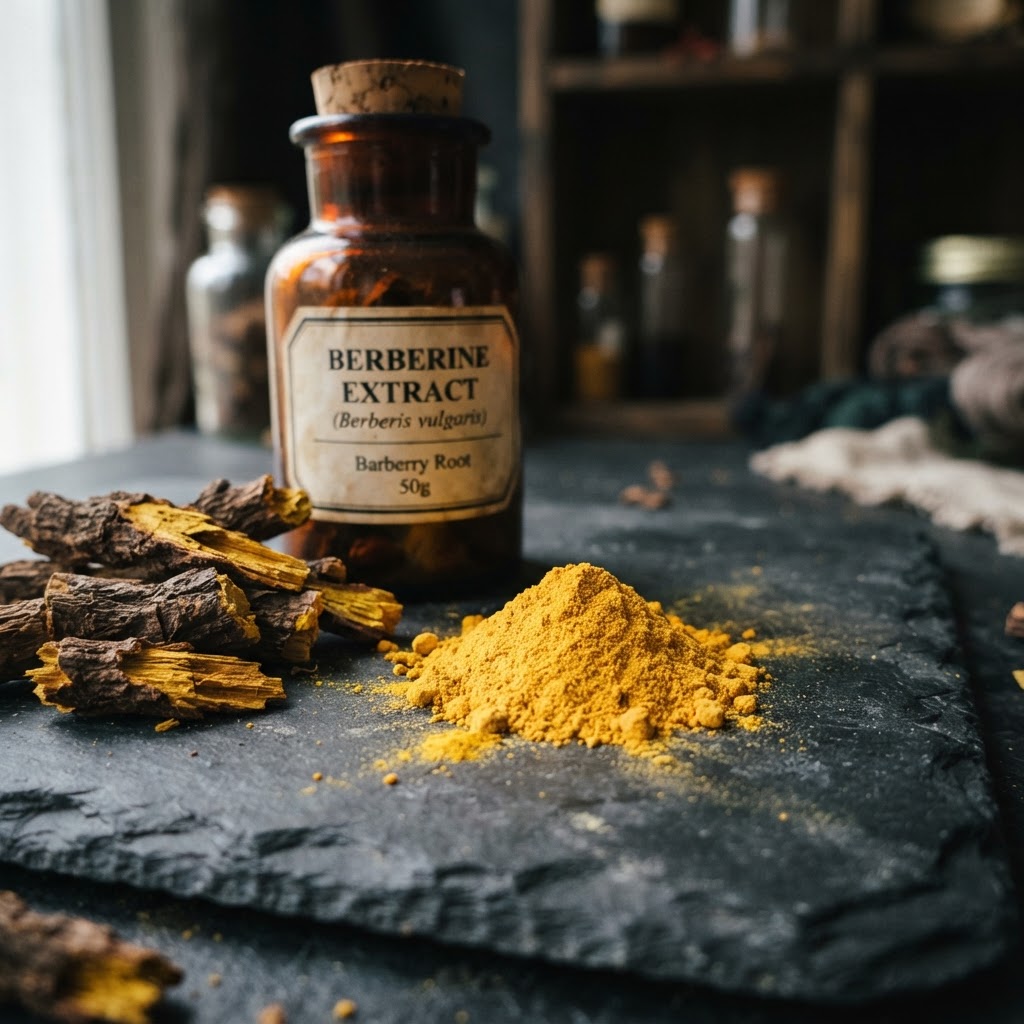
Berberine is a golden-yellow alkaloid found in the roots and bark of barberry, goldenseal, and Oregon grape. It has been used for centuries in Ayurvedic and Chinese medicine, and modern research has focused on its ability to support healthy blood sugar. Berberine activates AMPK — often described as the body's metabolic master switch — which helps cells take up glucose more efficiently, supports healthy insulin sensitivity, and influences how the liver releases sugar. It also supports healthy cholesterol levels and the gut microbiome, both of which matter for metabolic health. It is one of the most studied botanical options for blood sugar support.
How it's used
Typical researched amounts are 500 mg taken two to three times daily with meals, starting lower and building up. Berberine is poorly absorbed on its own, so formulas paired with absorption enhancers are often preferred. Take it with food to reduce stomach upset, and give it several weeks of consistent use before judging results.
Cautions & Interactions
Berberine can lower blood sugar, so it may amplify the effect of diabetes medications including metformin, insulin, and sulfonylureas — blood sugar should be monitored and medication adjusted only with a prescribing clinician. It interacts with several medications through liver enzymes (CYP3A4) and with certain antibiotics. It is not appropriate during pregnancy or breastfeeding and is generally avoided in infants. Because it can affect the liver and gut, use it under professional supervision, especially if you take prescription medication.
Where to Buy Berberine
Practitioner-grade Berberine from our Fullscript dispensary — shipped to your door.

Integrative Therapeutics
Berberine 500mg
60 capsules
Order on Fullscript
Thorne
Berberine
60 capsules
Order on Fullscript
Integrative Therapeutics
Berberine Complex
90 capsules
Order on Fullscript
Thorne
Berberine 200mg (formerly Berbercap)
60 capsules
Order on Fullscript
Pure Encapsulations
Berberine UltraSorb
60 capsules
Order on Fullscript
Integrative Therapeutics
Berberine Phytomax
60 capsules
Order on Fullscript
XYMOGEN
Berberine ES-5 Dihydroberberine S1
60 capsules
Order on Fullscript
Bioclinic Naturals
Berberine LipoMicel Matrix
60 Softgels
Order on FullscriptLooking for recipes?
Berberine belongs in the kitchen as much as the medicine cabinet. Our nutrition team builds meal plans around herbs like this one — real food, real cooking, and a plan made for your body.
Other Herbs That May Help
Cinnamon
Cinnamomum verumSupports healthy fasting glucose and insulin sensitivity; gentle enough for daily culinary use.
Shop Cinnamon on FullscriptGymnema
Gymnema sylvestreTraditionally used in Ayurveda; may help reduce sugar cravings and support healthy glucose levels.
Shop Gymnema on FullscriptBitter Melon
Momordica charantiaA traditional food-medicine for blood sugar; contains compounds that support glucose uptake.
Shop Bitter Melon on FullscriptFenugreek
Trigonella foenum-graecumHigh in soluble fiber, which slows carbohydrate absorption and supports a healthy glucose response.
Shop Fenugreek on FullscriptReady for a plan built around your blood sugar?
A Root Cause Health Assessment looks at your labs, history, and lifestyle, then builds a personalized botanical and nutrition protocol you can actually follow.
This guide is for educational purposes only and is not intended to diagnose, treat, cure, or prevent any disease. Always consult with a qualified healthcare professional before making changes to your healthcare regimen.