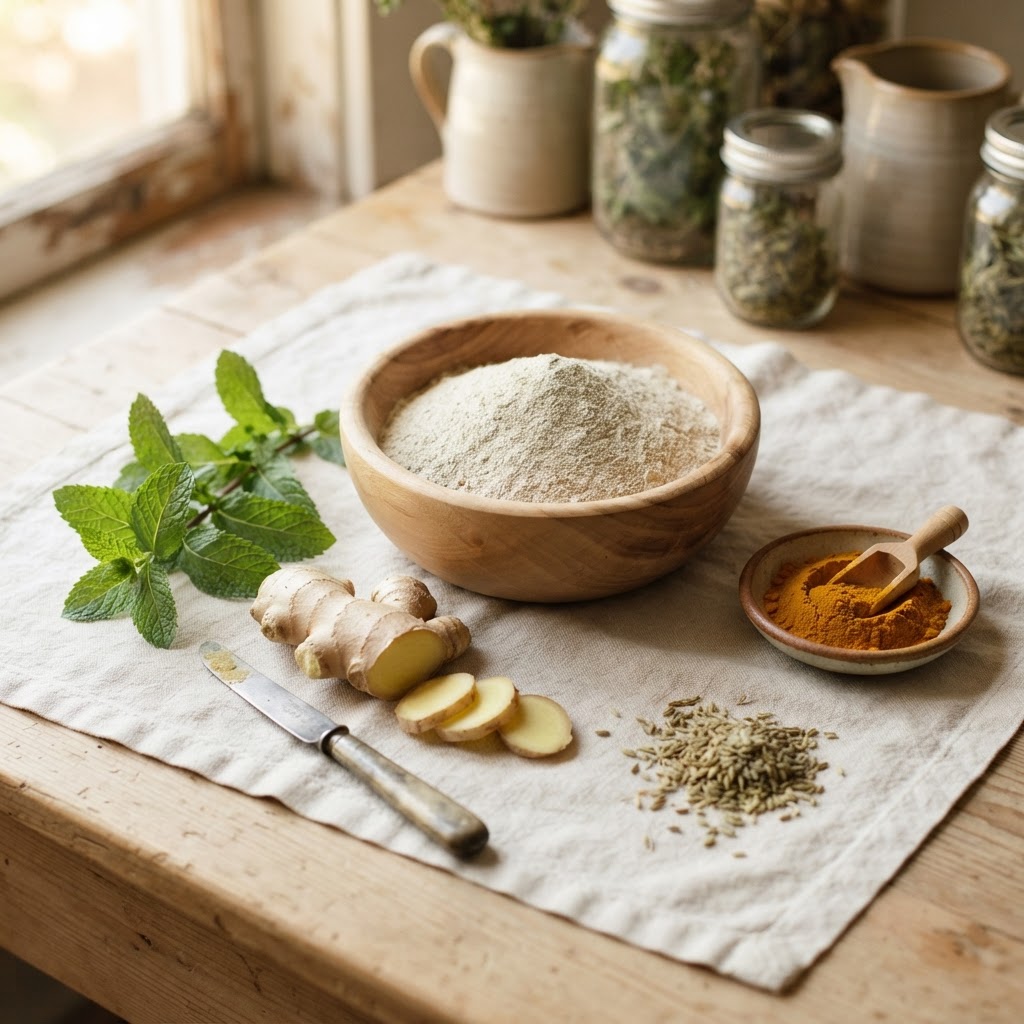
The gut does far more than digest food. It houses the majority of your immune tissue, produces neurotransmitters that shape mood and sleep, and trains the immune system to tell friend from foe. When the gut lining is irritated, the microbiome is out of balance, or digestion is sluggish, the effects show up well beyond the belly — as bloating, gas, reflux, irregular bowels, fatigue, skin flare-ups, food sensitivities, and low mood. The good news is that the gut is one of the most responsive systems in the body, and it repairs quickly when you give it the right conditions.
Getting to the Root
What commonly sits underneath this concern — and what we look for.
A thin or irritated gut lining
Stress, alcohol, NSAIDs, infections, and food triggers can loosen the tight junctions between intestinal cells, letting partially digested food and bacterial fragments into circulation.
Microbiome imbalance
Low fiber, antibiotics, and a narrow diet reduce bacterial diversity and let less helpful organisms take hold.
Low stomach acid and poor enzyme output
Under-acidified stomach contents digest poorly and pass undigested into the small intestine, feeding the wrong bacteria.
Sluggish motility
Slow transit allows fermentation and bacterial overgrowth in the small intestine; fast transit means poor absorption.
Chronic stress
The gut and brain are wired together. Cortisol changes motility, mucus production, blood flow to the gut, and which bacteria thrive.
Medications and antibiotics
Antibiotics, acid blockers, and pain relievers each leave their mark on the microbiome and the gut lining.
Food triggers and sensitivities
Not always true allergy — often a reaction to a compromised lining, which improves as the gut heals.
Nutrient gaps
Zinc, glutamine, vitamin A, and vitamin D are the raw materials for a healthy intestinal barrier.
What Helps
Eat for diversity
Aim for thirty different plants a week — vegetables, fruit, legumes, nuts, seeds, herbs, and spices each feed different bacteria.
Soluble fiber and prebiotics
Oats, chia, flax, garlic, onion, leeks, and cooked-and-cooled starches feed beneficial bacteria and produce short-chain fatty acids that nourish the gut lining.
Fermented foods
Yogurt, kefir, sauerkraut, kimchi, and miso add live cultures and widen the microbiome.
Slow, calm meals
Chewing thoroughly and eating without screens or stress lets digestion begin properly in the mouth and stomach.
Remove what irritates
An elimination period can identify the handful of foods that are actually driving symptoms — then most can be reintroduced.
Support the gut lining
Demulcent herbs, glutamine, zinc, and bone broth give the intestinal barrier what it needs to repair.
Rebalance the microbiome
Targeted probiotics and antimicrobial botanicals address overgrowth when it is present.
Nervous system care
Because the gut and brain share a direct line, stress work is gut work.
Diet & Lifestyle
Eat on a rhythm rather than grazing all day — the gut needs rest periods to run its housekeeping wave between meals. Sit down, breathe, and chew your food properly; digestion starts before you swallow. Build meals around plants and add fermented foods most days. Keep alcohol occasional and go easy on ultra-processed food and artificial sweeteners. Move your body daily, since exercise changes the microbiome independently of diet. Prioritize sleep, and give yourself real downtime — a calm nervous system is a well-digesting one.
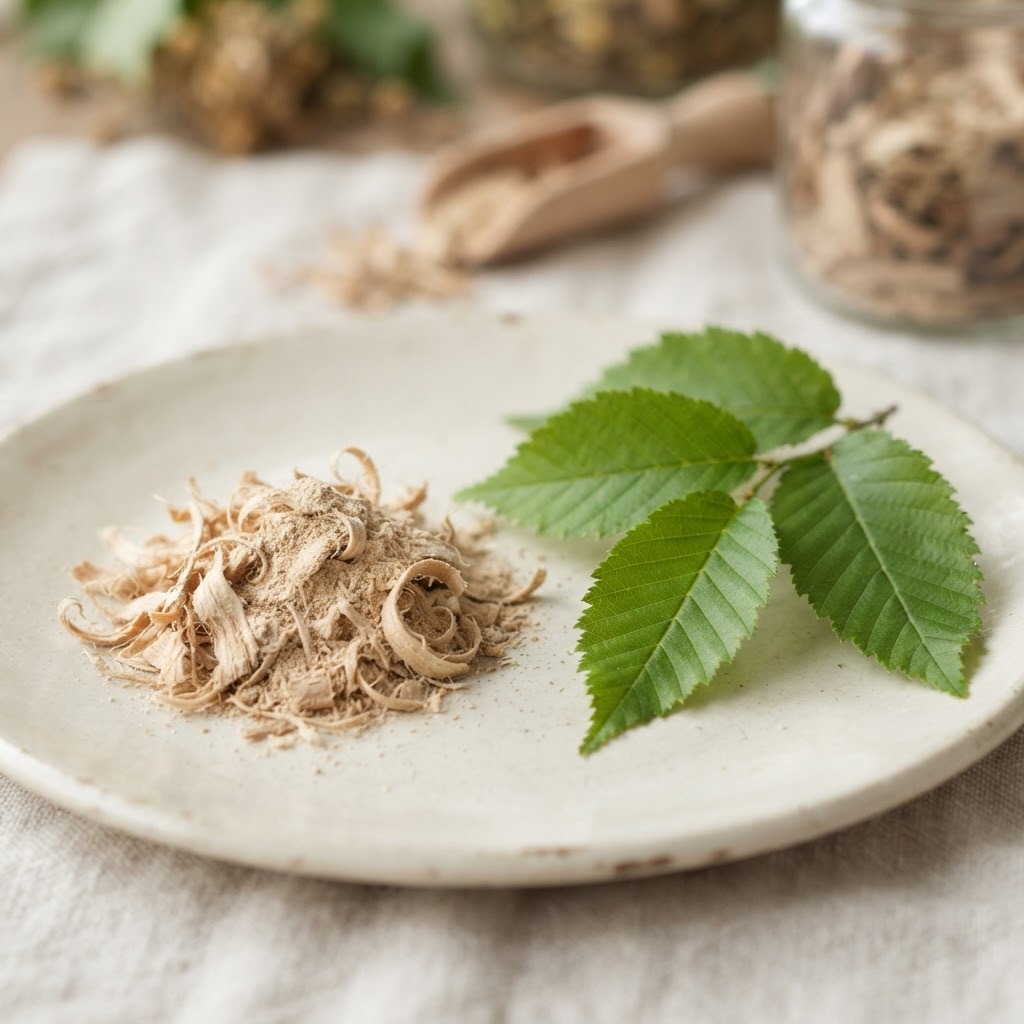
Slippery Elm
Ulmus rubra
Slippery elm is the classic demulcent of Western herbal practice, and the herb most practitioners reach for first when the gut lining needs soothing. The inner bark is rich in mucilage — a gel-forming polysaccharide that swells in water and coats irritated mucous membranes from the mouth all the way through the digestive tract. That coating does two useful things. It shields inflamed tissue from further irritation by acid, bile, and food, and it gives the intestinal lining the moist, protected conditions it needs to repair. Slippery elm also provides gentle soluble fiber that feeds beneficial bacteria and softens the stool, which makes it helpful for both loose and sluggish bowels. It has a long history of use for reflux, gastritis, irritable bowel symptoms, and recovery after a course of antibiotics or a gut infection.
How it's used
The most common preparation is the powdered inner bark: stir one to two teaspoons into warm water to make a thin gruel, or blend into a smoothie, oatmeal, or yogurt, once or twice daily. Capsules and tinctures are also available, though the powder is the most traditional and most soothing form. Take it away from medications — the mucilage can slow the absorption of drugs taken at the same time — and drink plenty of water alongside it.
Cautions & Interactions
Slippery elm is generally very well tolerated, but its mucilage can reduce the absorption of medications, so separate it from prescriptions by at least two hours. Use it cautiously with diabetes if you are monitoring blood sugar, since it can slow carbohydrate absorption. Because powdered bark can be a choking risk, always mix it into liquid rather than taking it dry. Choose sustainably harvested bark — slippery elm is under pressure in the wild — and avoid it if you have a known allergy to elm pollen.
Where to Buy Slippery Elm
Practitioner-grade Slippery Elm from our Fullscript dispensary — shipped to your door.

Vital Nutrients
Slippery Elm Bark Powder
175 Grams
Order on Fullscript
Thorne
GI-Relief
180 capsules
Order on Fullscript
NOW Foods
Slippery Elm 400mg
100 capsules
Order on Fullscript
Source Naturals
Slippery Elm Strawberry Lozenges
100 lozenges
Order on Fullscript
Source Naturals
Slippery Elm Tangerine Lozenges
100 lozenges
Order on Fullscript
Amy Myers MD
Leaky Gut Revive®
178 Grams
Order on Fullscript
Beekeeper's Naturals
Propolis Throat Soother
30 Milliliters
Order on Fullscript
Pure Encapsulations
DGL Plus
60 capsules
Order on FullscriptLooking for recipes?
Slippery Elm belongs in the kitchen as much as the medicine cabinet. Our nutrition team builds meal plans around herbs like this one — real food, real cooking, and a plan made for your body.
Other Herbs That May Help
Marshmallow Root
Althaea officinalisAnother gentle demulcent; its mucilage soothes the gut lining and calms irritation in the urinary tract as well.
Shop Marshmallow Root on FullscriptGinger
Zingiber officinaleWarms and stimulates digestion, supports healthy motility, and eases nausea and bloating after meals.
Shop Ginger on FullscriptPeppermint
Mentha × piperitaRelaxes the smooth muscle of the intestinal wall, easing cramping, gas, and irritable bowel discomfort.
Shop Peppermint on FullscriptTurmeric
Curcuma longaSupports a healthy inflammatory response in the digestive tract and helps maintain a balanced gut environment.
Shop Turmeric on FullscriptReady for a plan built around your gut?
A Root Cause Health Assessment reviews your symptoms, history, and labs, then builds a personalized botanical and nutrition protocol designed to calm, repair, and rebalance your digestive system.
This guide is for educational purposes only and is not intended to diagnose, treat, cure, or prevent any disease. Always consult with a qualified healthcare professional before making changes to your healthcare regimen.