
The prostate sits at the base of the bladder and wraps around the urethra, which is why almost every prostate complaint shows up as a urinary one — a weaker stream, urgency, dribbling, or waking several times a night. Benign enlargement is extremely common with age and is driven by hormonal shifts, inflammation, blood sugar, and body fat rather than by anything you did wrong. Our approach is to lower the inflammatory and hormonal load on the prostate, support healthy urinary flow, and use the botanicals with the longest and strongest record of use for this exact purpose.
Getting to the Root
What commonly sits underneath this concern — and what we look for.
Hormonal shifts with age
As testosterone gradually declines, the ratio of testosterone to estrogen and DHT changes — and DHT is the hormone most strongly linked to prostate enlargement.
Chronic inflammation
Low-grade inflammation in prostate tissue drives urinary symptoms and is influenced by diet, weight, and blood sugar.
Blood sugar and insulin resistance
Metabolic syndrome, insulin resistance, and type 2 diabetes are all associated with a higher risk of prostate enlargement.
Excess body fat
Fat tissue produces aromatase, which converts testosterone into estrogen and shifts the hormonal balance against the prostate.
Pelvic tension and poor circulation
Prolonged sitting, tight pelvic floor muscles, and reduced blood flow worsen urinary symptoms.
Dietary patterns
Diets heavy in red meat, refined oils, and alcohol and low in colorful plants are consistently linked with poorer prostate health.
Nutrient gaps
Zinc, selenium, vitamin D, and lycopene are all concentrated in prostate tissue and matter for its healthy function.
Bladder irritants
Caffeine, alcohol, spicy food, and dehydration aggravate an already sensitive bladder and urinary tract.
What Helps
Lycopene-rich foods
Cooked tomatoes, watermelon, and pink grapefruit deliver lycopene, one of the best-studied nutrients for prostate health.
Cruciferous vegetables
Broccoli, cauliflower, kale, and Brussels sprouts provide sulforaphane and indoles that support healthy hormone metabolism.
Anti-inflammatory fats
Fatty fish, walnuts, and olive oil reduce the inflammatory load that drives prostate symptoms.
Blood sugar and weight control
Keeping insulin and body fat in a healthy range shifts the hormonal environment in the prostate's favour.
Pelvic floor and movement
Regular exercise and pelvic-floor training improve urinary control and reduce pelvic tension.
Botanical prostate support
Saw palmetto, pygeum, nettle root, and pomegranate have decades of use for urinary comfort and prostate function.
Targeted nutrients
Zinc, selenium, and vitamin D correct the raw materials prostate tissue depends on.
Bladder-friendly habits
Good hydration earlier in the day, less evening fluid, and fewer irritants mean fewer night-time trips.
Diet & Lifestyle
Move your body daily — vigorous exercise and pelvic-floor work both support urinary function, and regular activity is consistently linked with better prostate outcomes. Keep weight in a healthy range, since excess abdominal fat raises inflammation and estrogenic load. Build meals around tomatoes and other cooked lycopene-rich foods, cruciferous vegetables, pomegranate, fatty fish, and green tea. Limit alcohol and caffeine in the evening, as both irritate the bladder and worsen night-time urination. Empty the bladder fully, avoid holding urine for long periods, and stay warm — cold and tension both tighten the pelvic floor. Finally, get your recommended screening on schedule; symptoms and screening belong in a clinician's hands.
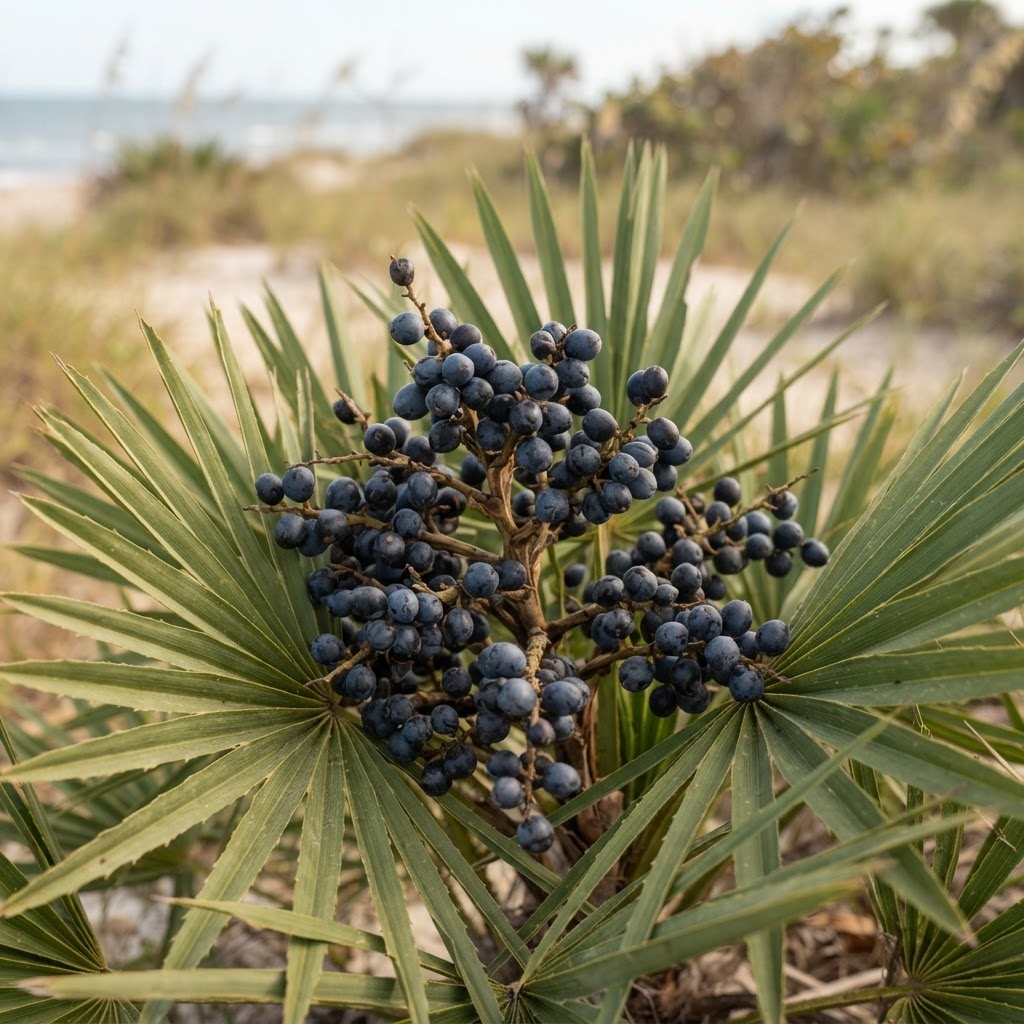
Saw Palmetto
Serenoa repens
Saw palmetto is the most researched herb in the world for prostate health, and the one Western herbalists reach for first. The ripe berries of this low, fan-leaved palm — native to the southeastern United States — were used by Indigenous peoples of the region long before they entered modern practice. The berries are rich in fatty acids and plant sterols that influence how testosterone is converted. Specifically, they support healthy 5-alpha-reductase activity, the enzyme that turns testosterone into DHT — the androgen most strongly associated with prostate enlargement. By gently moderating that pathway, saw palmetto supports normal prostate size and urinary flow. It does not act like a drug or change hormone levels dramatically, which is precisely why it is well tolerated for long-term use.
How it's used
The most common researched preparation is a standardized extract taken as 320 mg once daily, or 160 mg twice daily, of an extract standardized to 85–95% fatty acids and sterols. Whole-berry powders and tinctures are also traditional, though the standardized extract has the strongest evidence. Take it with food, and allow eight to twelve weeks before judging results — prostate change is slow, and so is the response to it.
Cautions & Interactions
Saw palmetto is generally very well tolerated; the most common complaint is mild stomach upset, which taking it with food usually solves. Because it can theoretically affect PSA readings and blood clotting, tell your clinician you are taking it, and stop it at least two weeks before any planned surgery. Use caution alongside blood thinners, hormonal medications, or finasteride and similar drugs, and do not combine it with them without medical supervision. It is not appropriate during pregnancy or breastfeeding. Importantly, saw palmetto can mask symptoms of a serious prostate problem — any new urinary symptoms, blood in the urine, or difficulty urinating should be evaluated by a clinician, not treated with herbs alone.
Where to Buy Saw Palmetto
Practitioner-grade Saw Palmetto from our Fullscript dispensary — shipped to your door.
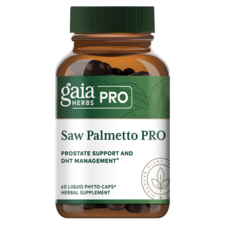
Gaia Herbs Pro
Saw Palmetto PRO
60 capsules
Order on Fullscript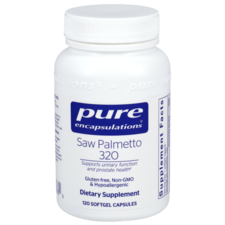
Pure Encapsulations
Saw Palmetto 320
120 Softgel
Order on Fullscript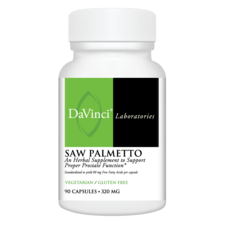
DaVinci Labs
Saw Palmetto 320mg
90 capsules
Order on Fullscript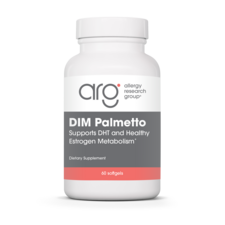
Allergy Research Group
DIM Palmetto Detox Formula
60 Softgels
Order on Fullscript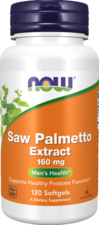
NOW Foods
Saw Palmetto Extract 160mg
120 Softgels
Order on Fullscript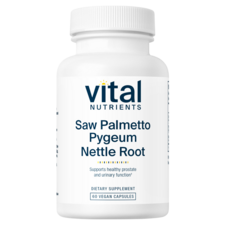
Vital Nutrients
Saw Palmetto Pygeum Nettle Root
60 capsules
Order on Fullscript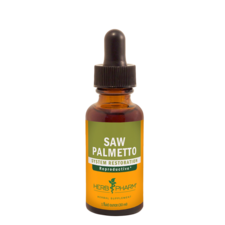
Herb Pharm
Saw Palmetto
30 Milliliters
Order on Fullscript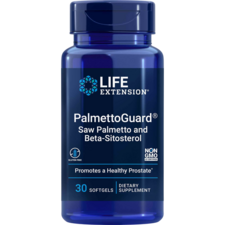
Life Extension
Palmettoguard Saw Palmetto
30 Softgels
Order on FullscriptLooking for recipes?
Saw Palmetto belongs in the kitchen as much as the medicine cabinet. Our nutrition team builds meal plans around herbs like this one — real food, real cooking, and a plan made for your body.
Other Herbs That May Help
Pygeum
Prunus africanaThe African cherry bark has a long research history for urinary flow and prostate comfort; often paired with saw palmetto.
Shop Pygeum on FullscriptNettle Root
Urtica dioicaBinds to hormone-binding proteins in a way that supports healthy prostate tissue and comfortable urination.
Shop Nettle Root on FullscriptPomegranate
Punica granatumRich in punicalagins and ellagic acid; supports a healthy inflammatory response and antioxidant protection in prostate tissue.
Shop Pomegranate on FullscriptTurmeric
Curcuma longaSupports a balanced inflammatory response, which is one of the main drivers of prostate enlargement and discomfort.
Shop Turmeric on FullscriptReady for a plan built around your prostate health?
A Root Cause Health Assessment reviews your history, labs, and lifestyle, then builds a personalized botanical and nutrition protocol designed to support urinary comfort and long-term prostate health.
This guide is for educational purposes only and is not intended to diagnose, treat, cure, or prevent any disease. Always consult with a qualified healthcare professional before making changes to your healthcare regimen.