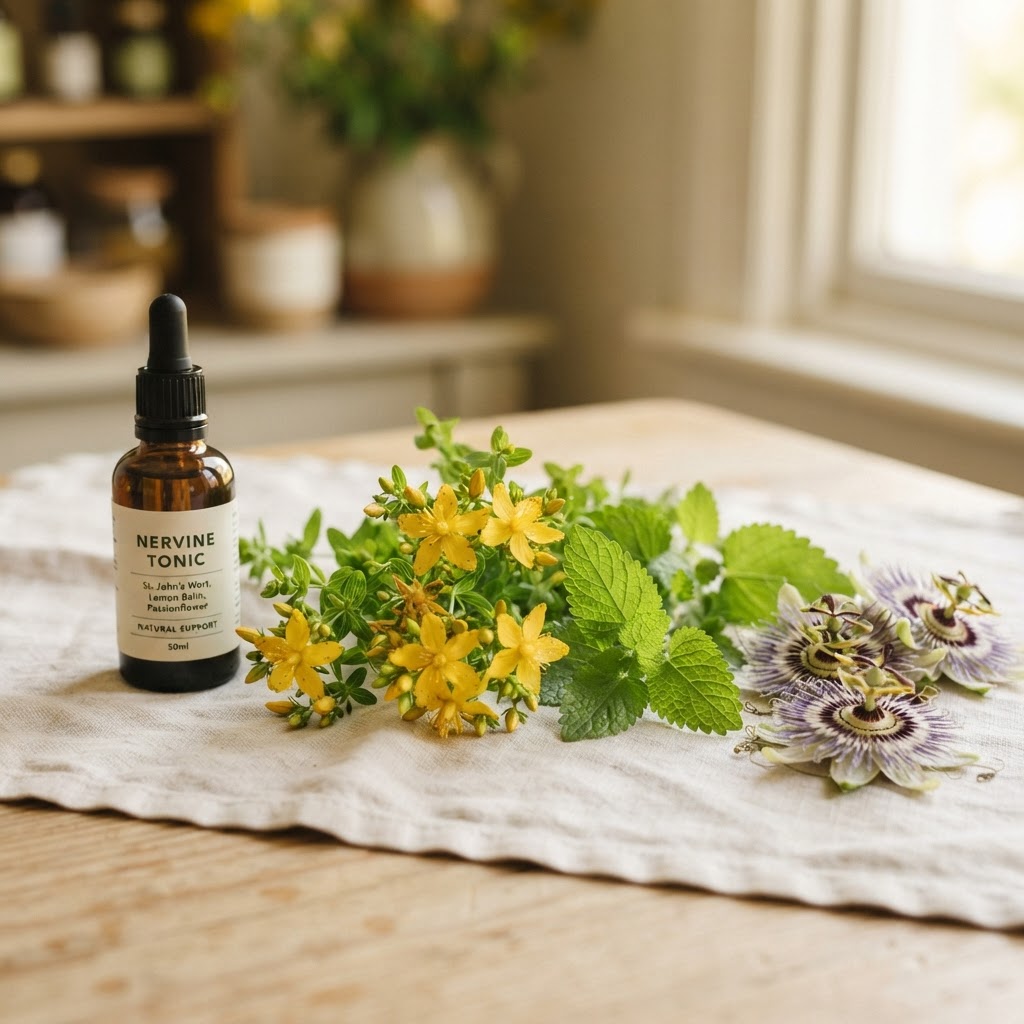
Nerves are slow healers, but they are not passive. They need steady blood flow, a healthy inflammatory response, and a nervous system that gets to rest. Neuropathy — whether it shows up as tingling, burning, numbness, or that deep ache in the feet and hands — is usually the end result of something that has been building for years: blood sugar dysregulation, poor circulation, nutrient depletion, or a chronically activated stress response. Our approach is to address those drivers while using botanicals that calm irritated nerves and support their repair.
Getting to the Root
What commonly sits underneath this concern — and what we look for.
Blood sugar dysregulation
Sustained high glucose damages the small blood vessels that feed peripheral nerves — the single most common driver of neuropathy.
Poor circulation
Nerves need oxygen and nutrients delivered continuously. Reduced blood flow to the extremities starves them.
Chronic inflammation
Low-grade inflammation sensitizes nerve endings and slows repair, turning mild tingling into persistent pain.
Nutrient depletion
B vitamins — especially B12, B6, and folate — plus vitamin D, magnesium, and alpha-lipoic acid are all required for healthy nerve function.
Medication side effects
Certain chemotherapy agents, statins, and some antibiotics are known to cause or worsen nerve symptoms.
Nervous system overload
Chronic stress and poor sleep lower the pain threshold, so the same nerve input is felt more intensely.
Mechanical compression
Tight fascia, spinal issues, and repetitive strain can compress nerves and mimic or worsen neuropathy.
Toxin and alcohol exposure
Alcohol and environmental toxins are directly toxic to peripheral nerves over time.
What Helps
Steady blood sugar
Protein-forward meals, fiber, and resistance training protect the small vessels that feed your nerves.
Movement and circulation
Daily walking, swimming, and gentle resistance work improve blood flow to the feet and hands.
Nerve-supportive nutrients
A methylated B-complex, vitamin D, magnesium, and alpha-lipoic acid give nerves the raw materials for repair.
Calm the nervous system
Nervine herbs, breathwork, and sleep support lower the pain signal itself — not just the sensation.
Anti-inflammatory eating
An abundance of colorful plants, omega-3 fats, and fewer refined oils and sugars reduces nerve irritation.
Botanical nerve support
St. John's Wort, lemon balm, passionflower, and ginkgo have long histories of use for nerve pain, numbness, and calm.
Topical support
Warm foot soaks, capsaicin, and infused oils can quiet angry nerve endings between meals and doses.
Track what changes
A simple symptom diary shows whether sensation, sleep, and pain are actually improving over weeks.
Diet & Lifestyle
Protect your feet — check them daily, wear well-fitting shoes, and never walk barefoot where you cannot feel the ground. Keep blood sugar steady with protein at every meal and a short walk after eating. Move daily in a way that is gentle on the joints; circulation is the nerve's lifeline. Stop smoking and keep alcohol to a minimum, as both directly harm peripheral nerves. Prioritize sleep and build in deliberate rest, since a rested nervous system feels less pain. Warm foot soaks, gentle massage, and alternating warm and cool water can all improve comfort and blood flow.
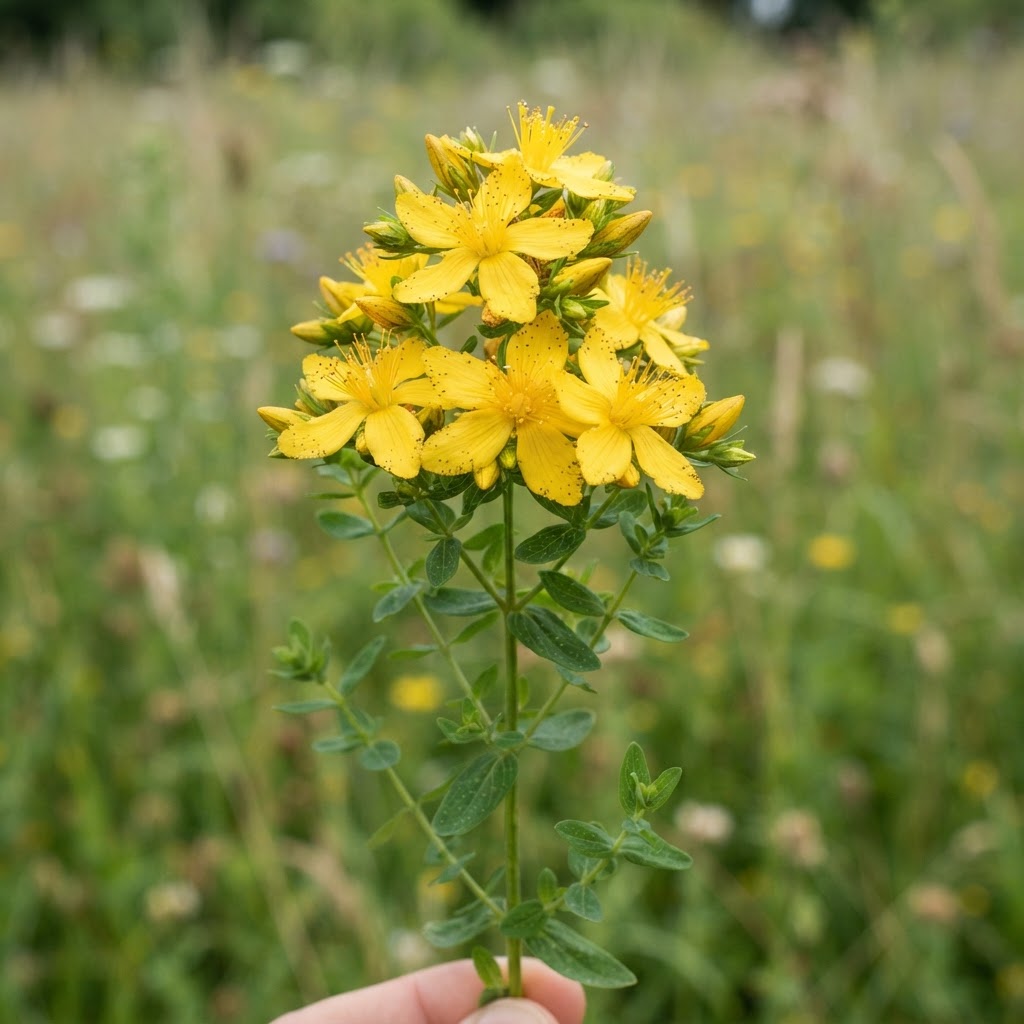
St. John's Wort
Hypericum perforatum
St. John's Wort is the classic nerve herb of Western herbalism — the genus name Hypericum comes from the Greek for 'over an apparition', a nod to its long reputation for calming and clearing the nervous system. It is the herb practitioners reach for when nerves themselves are the problem. Modern research has focused on hyperforin and hypericin, constituents that influence how the brain and nervous system handle serotonin, dopamine, and GABA. That is why St. John's Wort is best known for low mood, but it is also traditionally and clinically used for nerve pain, tingling, and the burning discomfort of neuropathy. An infused oil made from the fresh flowers is a long-standing topical remedy for sore, irritated nerves and is often applied directly to affected hands and feet.
How it's used
Internally, typical researched amounts are 300 mg of a standardized extract (0.3% hypericin) taken two to three times daily with food, or 2–4 mL of tincture. Results for nerve symptoms build slowly — give it six to eight weeks. Topically, a deep red infused oil of the fresh flowering tops can be massaged into the feet and hands once or twice daily. Because it is slow-acting and interacts with many medications, it should be used with professional guidance rather than self-prescribed.
Cautions & Interactions
St. John's Wort has significant drug interactions and should never be started without checking every medication you take. It speeds the breakdown of many drugs through the liver — including hormonal contraception, blood thinners, immunosuppressants, some HIV and cancer medications, and certain heart drugs — which can make them stop working. Combining it with antidepressants, triptans, or tramadol risks serotonin syndrome. It can cause photosensitivity, so use sun protection and avoid tanning beds. It is not appropriate during pregnancy or breastfeeding. Topical use is generally well tolerated but can rarely cause a skin reaction.
Where to Buy St. John's Wort
Practitioner-grade St. John's Wort from our Fullscript dispensary — shipped to your door.
Vitanica
St. Johns Wort
90 capsules
Order on Fullscript
Nature's Way
St. John’s Wort Standardized
90 capsules
Order on Fullscript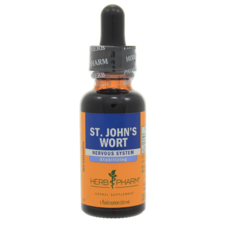
Herb Pharm
St. Johns Wort
30 Milliliters
Order on Fullscript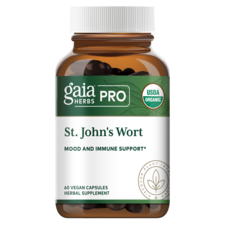
Gaia Herbs Pro
St. John's Wort
60 capsules
Order on Fullscript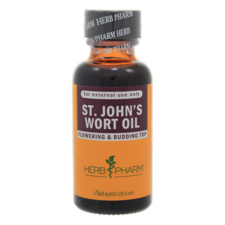
Herb Pharm
St. Johns Wort Oil
29 Milliliters
Order on Fullscript
Herb Pharm
HERB PHARM ORIGINAL SALVE
24 Grams
Order on Fullscript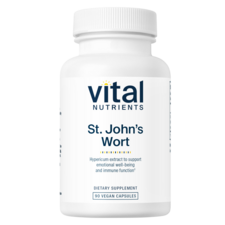
Vital Nutrients
St. John’s Wort 0.3% Standardized Extract
90 capsules
Order on Fullscript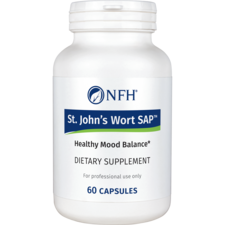
Nutritional Fundamentals for Health
St. John’s Wort SAP
60 capsules
Order on FullscriptLooking for recipes?
St. John's Wort belongs in the kitchen as much as the medicine cabinet. Our nutrition team builds meal plans around herbs like this one — real food, real cooking, and a plan made for your body.
Other Herbs That May Help
Lemon Balm
Melissa officinalisA gentle calming nervine that soothes an overstimulated nervous system and eases tension without sedation.
Shop Lemon Balm on FullscriptPassionflower
Passiflora incarnataQuiets nerve irritability, supports restful sleep, and helps lower the intensity of persistent nerve discomfort.
Shop Passionflower on FullscriptSkullcap
Scutellaria laterifloraA traditional nervine for nervous exhaustion and twitching, often paired with passionflower for nerve calm.
Shop Skullcap on FullscriptGinkgo
Ginkgo bilobaSupports healthy circulation to the smallest blood vessels, helping deliver oxygen and nutrients to peripheral nerves.
Shop Ginkgo on FullscriptReady for a plan built around your nerves?
A Root Cause Health Assessment reviews your history, labs, and medications, then builds a personalized botanical and nutrition protocol designed to calm, protect, and support your nervous system.
This guide is for educational purposes only and is not intended to diagnose, treat, cure, or prevent any disease. Always consult with a qualified healthcare professional before making changes to your healthcare regimen.