
Weight is rarely about willpower. It is the visible result of a set of deeper signals — blood sugar, insulin, appetite hormones, sleep, stress, and muscle mass — and when those signals are out of balance, the body defends its current weight stubbornly. That is why restrictive diets so often work briefly and then fail. Our approach is to correct the metabolic conditions that make fat storage easy and fat release hard, and then use a small number of well-chosen botanicals to gently support metabolism, appetite, and blood sugar along the way.
Getting to the Root
What commonly sits underneath this concern — and what we look for.
Blood sugar and insulin resistance
When cells respond poorly to insulin, the body stores fat more readily and struggles to release it — the most common metabolic block to weight loss.
Appetite signalling out of balance
Ghrelin (hunger) rises and leptin (fullness) stops working well, so you feel hungry even when you have eaten enough.
Chronic stress
Sustained cortisol drives cravings for sugar and starch and encourages fat storage around the abdomen.
Poor sleep
Even a few nights of short sleep measurably raises hunger hormones and lowers willpower.
Muscle loss and a slowing metabolism
Repeated crash diets strip muscle, which lowers resting energy expenditure and makes regain almost inevitable.
Sluggish thyroid and hormone shifts
Thyroid function and the hormonal changes of perimenopause and andropause both change how the body uses energy.
Gut microbiome imbalance
The bacteria in your gut influence how many calories you extract from food and how strongly you crave certain foods.
Emotional and habitual eating
Eating for comfort, stress, or boredom is a nervous-system pattern, not a character flaw — and it responds to support, not shame.
What Helps
Protein at every meal
Protein preserves muscle, blunts appetite, and burns more calories to digest than carbohydrate or fat.
Fiber and volume
Vegetables, legumes, and whole grains fill the stomach and feed beneficial gut bacteria.
Strength training
Building muscle raises resting metabolism and protects against the muscle loss that sabotages most diets.
Steady blood sugar
Fewer refined carbohydrates and more protein and fat keep insulin low enough for the body to access stored fat.
Sleep and stress support
Protecting sleep and managing cortisol is not optional — it is what makes the appetite hormones behave.
Metabolic botanicals
Green tea, gymnema, ginger, and hibiscus have research and tradition behind them for supporting metabolism and appetite.
Targeted nutrients
Magnesium, vitamin D, chromium, and B vitamins support the metabolic machinery that burns fuel.
Track honestly
Measuring waist, energy, and strength alongside weight shows what is really changing.
Diet & Lifestyle
Build every meal around protein, non-starchy vegetables, and whole-food fats — protein is the single most protective lever for appetite and muscle. Walk after meals, lift weights two to three times a week, and keep the cardio you actually enjoy. Prioritize sleep: short sleep raises ghrelin, lowers leptin, and makes cravings almost unmanageable. Manage stress, since cortisol drives abdominal fat storage. Cut liquid calories, alcohol, and ultra-processed snacks, which are engineered to override fullness signals. Weigh yourself weekly rather than daily, and judge success by energy, strength, and waist measurement as much as by the scale.
Green Tea
Camellia sinensis
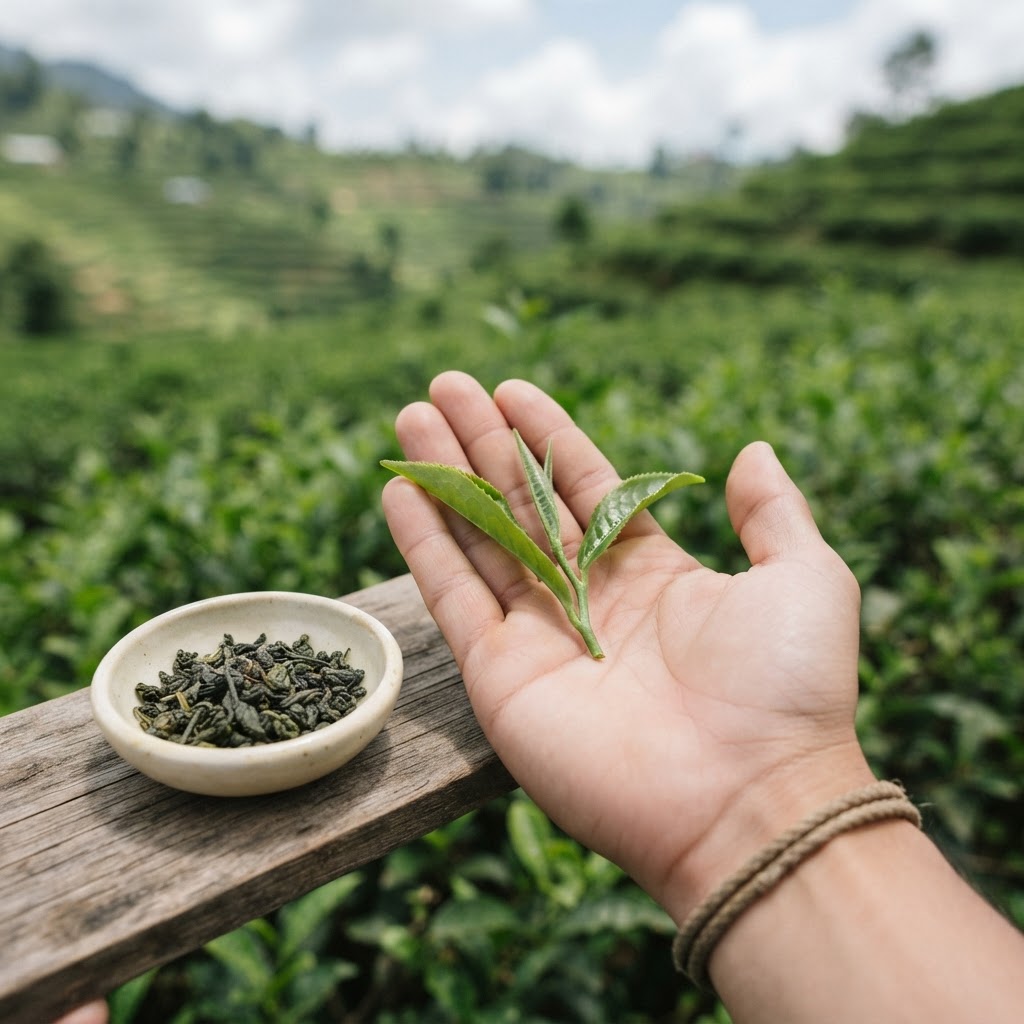
Green tea is the most studied botanical in the world for metabolic support, and the one with the most reliable evidence for gentle, sustainable help with weight management. Its leaves carry a specific combination of caffeine and catechins — above all EGCG — that work together rather than separately. That pairing matters. EGCG supports fat oxidation and helps the body use stored fat for fuel, while the small amount of naturally occurring caffeine increases energy expenditure and makes the effect more pronounced. Green tea also supports healthy blood sugar handling and provides gentle antioxidant support for the blood vessels, which matters because weight and metabolic health move together. Its effect is modest and cumulative — the honest research shows small shifts, not dramatic ones — which is exactly why it works best as part of a broader plan rather than as a standalone answer.
How it's used
Three to five cups of freshly brewed green tea daily is a reasonable, well-tolerated amount, ideally between rather than with meals to maximize catechin absorption. Standardized extracts are typically dosed at 250–500 mg of EGCG daily, taken with food. Avoid taking it on an empty stomach if it makes you queasy, and stop caffeine-containing amounts after early afternoon so it does not interfere with sleep — which would work against you.
Cautions & Interactions
Green tea extracts are high in caffeine and should be used cautiously by anyone with anxiety, insomnia, irregular heartbeat, high blood pressure, or acid reflux. Very high doses of concentrated extract have rarely been linked to liver injury, so stay within standard amounts and avoid taking extract on an empty stomach. Green tea can reduce iron absorption, so separate it from iron-rich meals and supplements by at least two hours. It may interact with blood thinners and some medications, and concentrated extracts are not appropriate during pregnancy or breastfeeding.
Where to Buy Green Tea
Practitioner-grade Green Tea from our Fullscript dispensary — shipped to your door.
Protocol for Life Balance
EGCg Green Tea Extract
90 capsules
Order on Fullscript
Pure Encapsulations
Green Tea Extract
60 capsules
Order on Fullscript
Vitanica
Green Tea
60 capsules
Order on Fullscript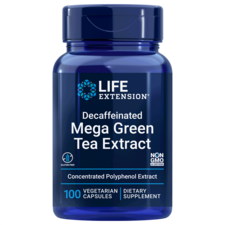
Life Extension
Decaffeinated Mega Green Tea Extract
100 capsules
Order on Fullscript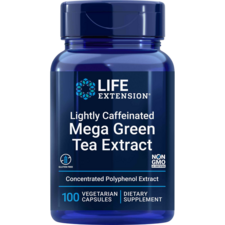
Life Extension
Mega Green Tea Extract
100 capsules
Order on Fullscript
NOW Foods
EGCg Green Tea Extract - 400mg
180 capsules
Order on Fullscript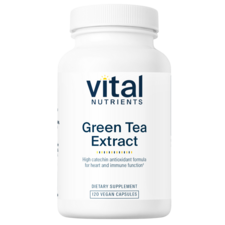
Vital Nutrients
Green Tea Extract
120 capsules
Order on Fullscript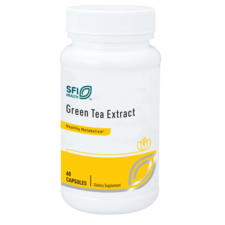
Klaire Labs/SFI Health
Green Tea Extract
60 capsules
Order on FullscriptLooking for recipes?
Green Tea belongs in the kitchen as much as the medicine cabinet. Our nutrition team builds meal plans around herbs like this one — real food, real cooking, and a plan made for your body.
Other Herbs That May Help
Gymnema
Gymnema sylvestreTraditionally used in Ayurveda to reduce sugar cravings and support healthy blood sugar and insulin response.
Shop Gymnema on FullscriptGinger
Zingiber officinaleSupports digestion and a healthy inflammatory response, and may modestly support energy expenditure and satiety.
Shop Ginger on FullscriptHibiscus
Hibiscus sabdariffaA tart, caffeine-free tea that supports healthy blood pressure and metabolic balance alongside weight goals.
Shop Hibiscus on FullscriptFenugreek
Trigonella foenum-graecumRich in soluble fiber, which slows carbohydrate absorption and helps you feel satisfied after meals.
Shop Fenugreek on FullscriptReady for a plan built around your metabolism?
A Root Cause Health Assessment reviews your labs, history, and lifestyle, then builds a personalized botanical and nutrition protocol designed for steady, sustainable change.
This guide is for educational purposes only and is not intended to diagnose, treat, cure, or prevent any disease. Always consult with a qualified healthcare professional before making changes to your healthcare regimen.