The golden root that has fought inflammation for over 4,000 years.
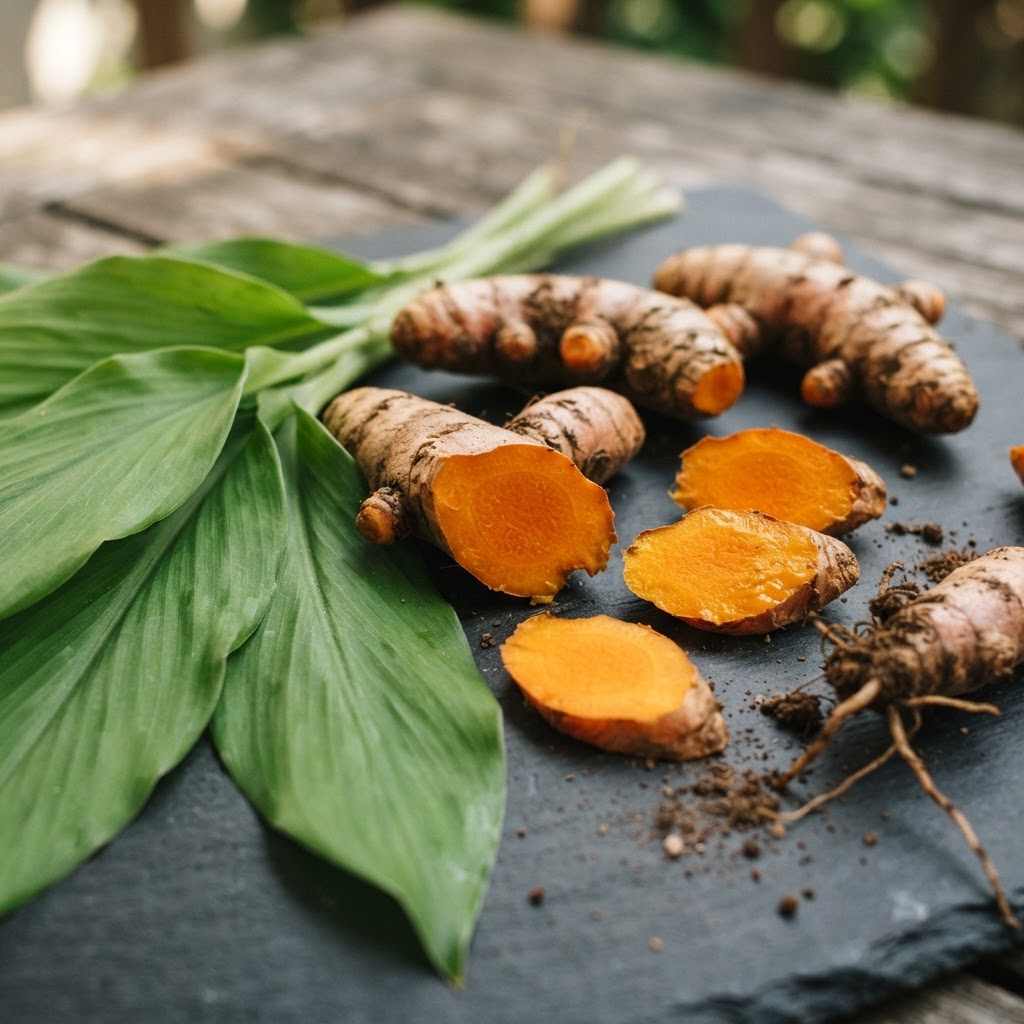
Few plants carry as much history — or as much modern science — as turmeric. This golden rhizome of the ginger family has been a cornerstone of Ayurvedic and Traditional Chinese Medicine for millennia, used for everything from joint stiffness to digestion and skin healing. Today, its signature compound curcumin sits at the center of thousands of clinical studies on inflammation.
Health Benefits
Calms Chronic Inflammation
Curcumin regulates the inflammatory pathways that drive joint pain, metabolic strain, and many chronic conditions — the reason it's one of the most studied botanicals in the world.
Supports Joint Comfort & Mobility
Multiple randomized trials show curcumin can ease joint stiffness and improve comfort with movement, often compared favorably to standard anti-inflammatory medications in head-to-head studies.
Powerful Antioxidant Protection
Curcumin neutralizes free radicals and, uniquely, boosts the body's own antioxidant enzymes — offering protection for cells, blood vessels, and nerve tissue.
Liver & Bile Support
Turmeric stimulates bile production and flow, which is why traditional systems used it for sluggish digestion and why it's a mainstay of modern detox protocols.
Supports Balanced Blood Sugar
Emerging research suggests curcumin supports insulin sensitivity and healthy glucose metabolism, making it useful in metabolic and weight-management protocols.
Mood & Brain Support
Curcumin raises BDNF, a growth factor linked to memory and mood — an effect being studied in both depression and cognitive decline.
Rooted in Tradition
Turmeric has been cultivated in India for at least 4,000 years and was a staple of Ayurvedic medicine, where it was prescribed for digestive complaints, joint pain, and wound healing. In Traditional Chinese Medicine it appears as yu jin and jiang huang, used to move blood and ease pain. Beyond medicine, the root was used as a dye for Buddhist monks' robes and as a sacred spice in Hindu ceremonies — earning it the name "Indian saffron." By the 13th century, Arab traders had carried turmeric along the spice routes into Europe, and by the 18th century it was being studied in Western pharmacopoeias for its effects on the liver and bile.
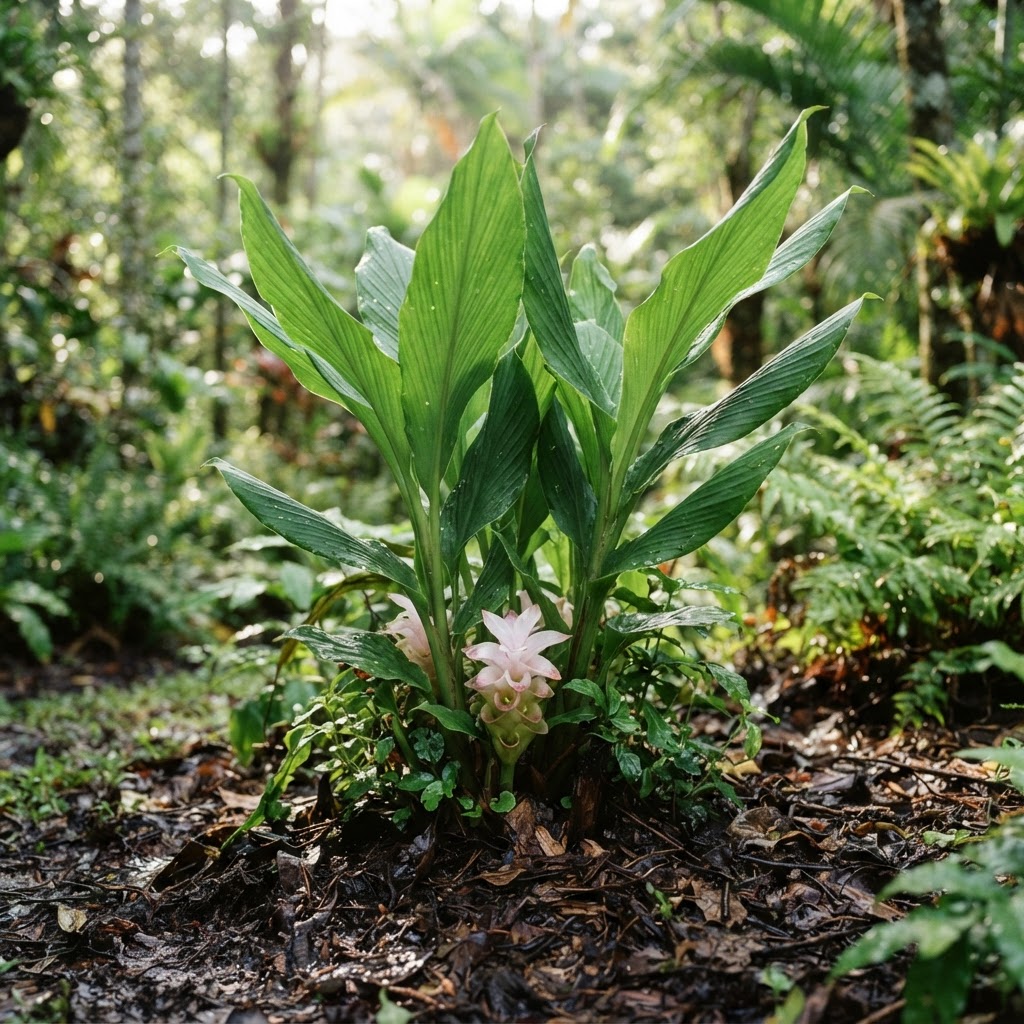
In the Garden
How It's Traditionally Prepared
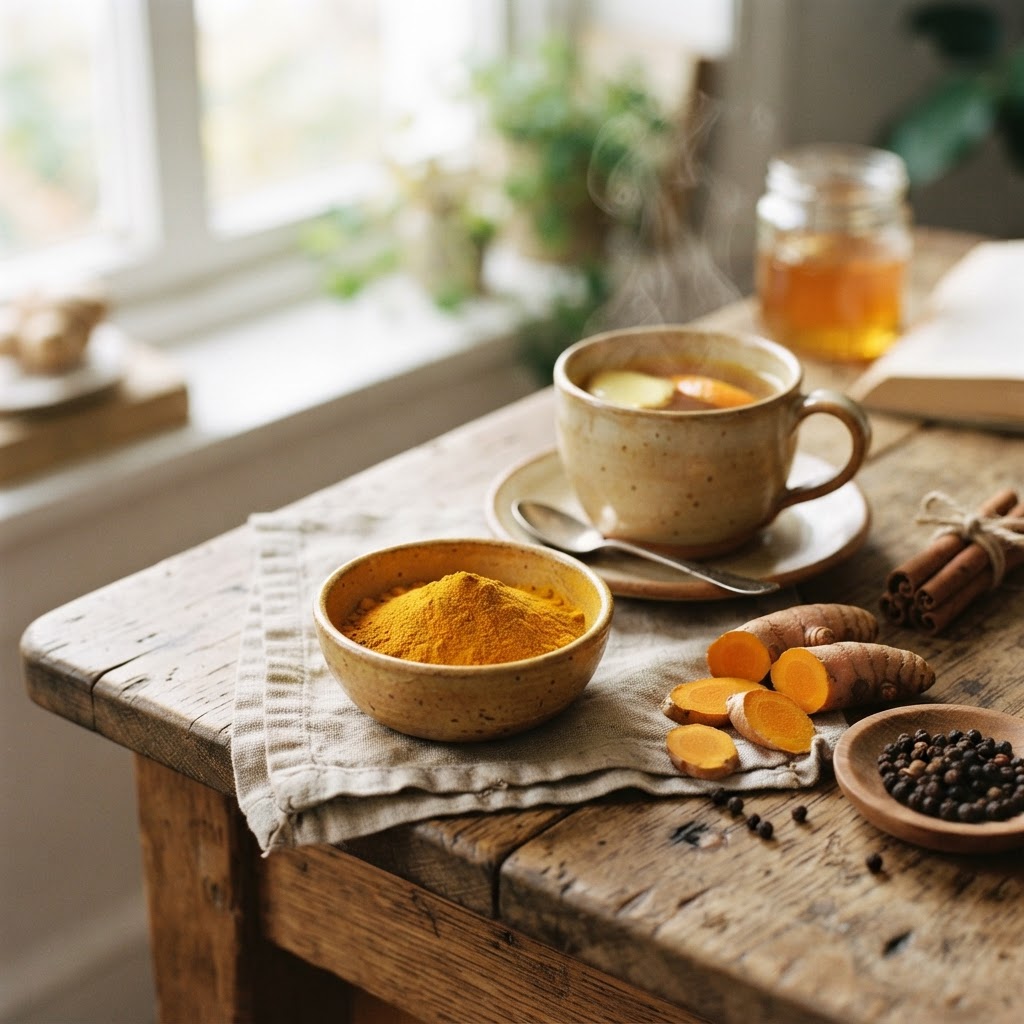
Golden Milk
1 tsp powder, 1–2x dailyWarm with milk or coconut milk, a pinch of black pepper, and a little fat. The most traditional daily preparation.
Standardized Curcumin Extract
500–1,000 mg, 2x dailyLook for formulas with piperine or a phospholipid delivery system (Meriva, BCM-95, Theracurmin) for far better absorption.
Culinary Use
As desiredAdd to curries, soups, rice, and stews. Add near the end of cooking to preserve the aromatic oils.
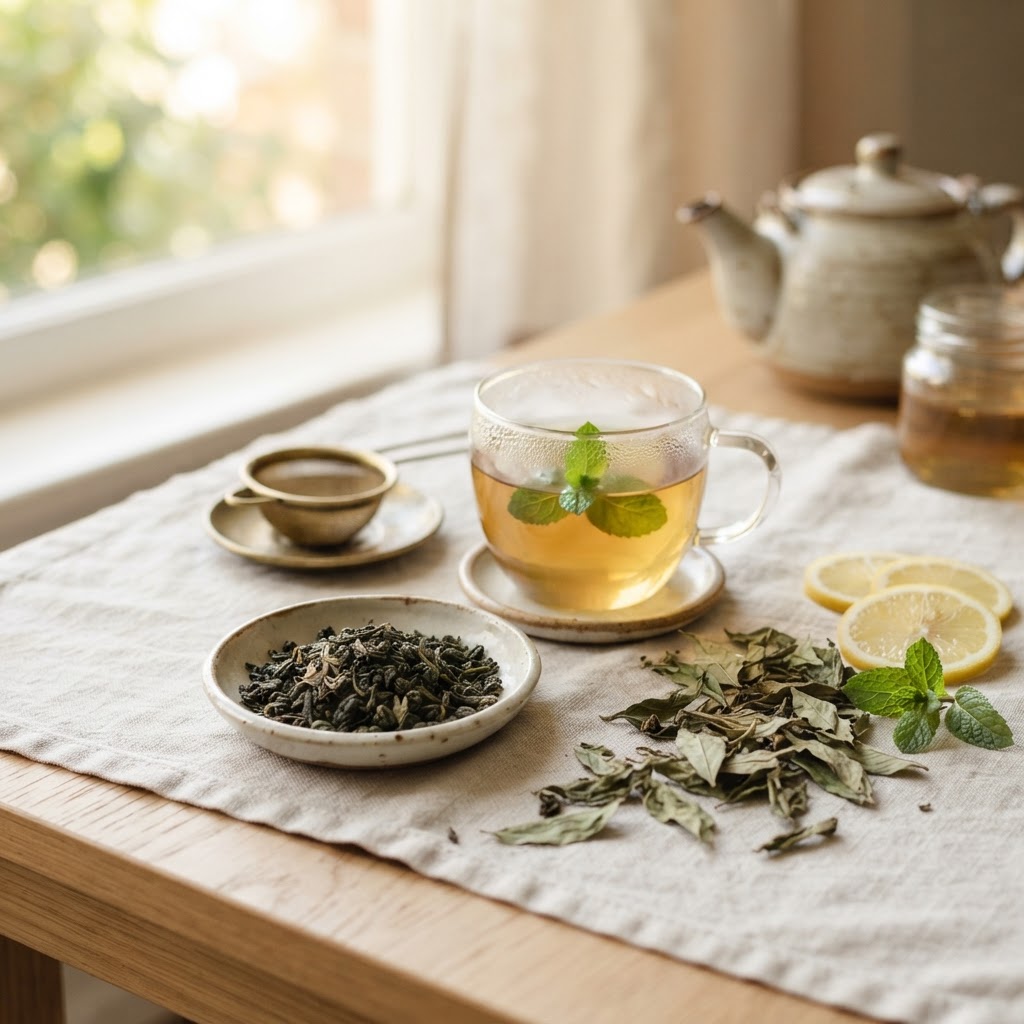
Fresh Root Tea
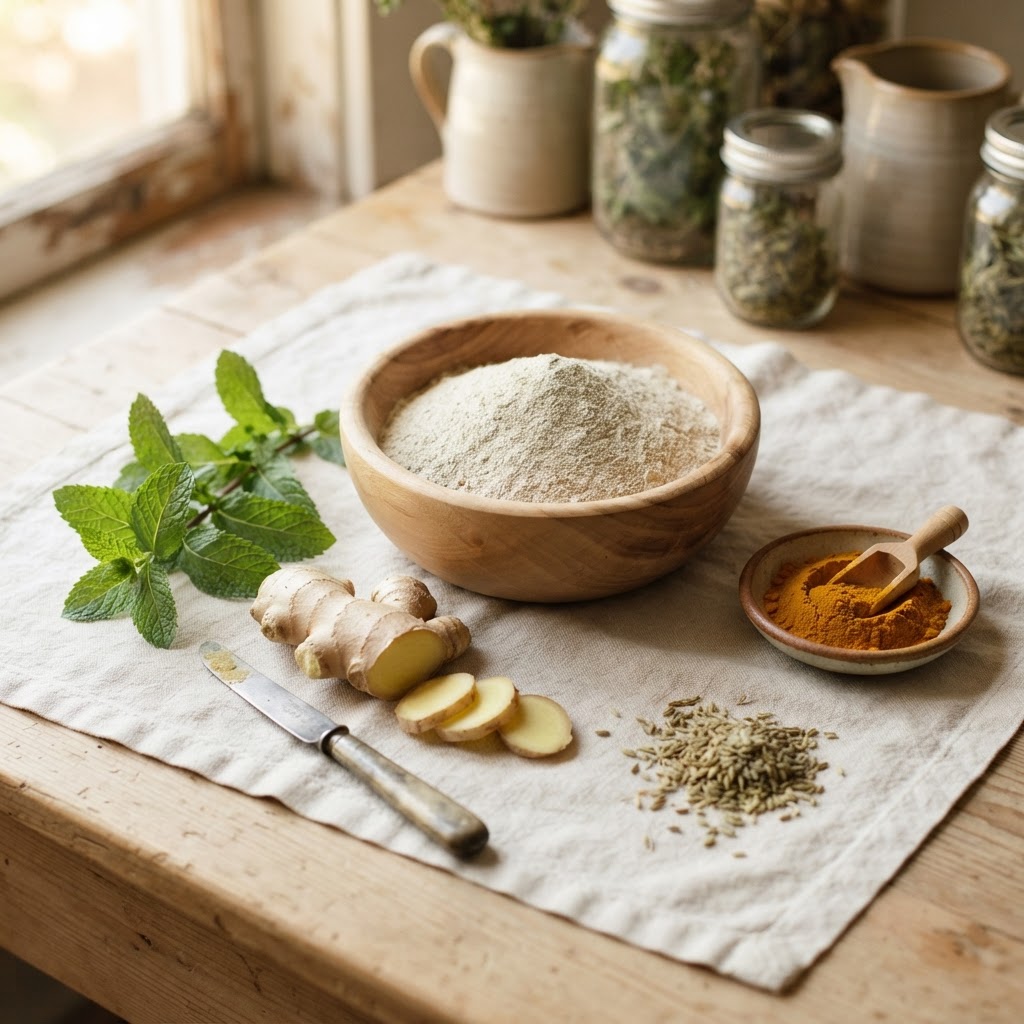
1–2 inches fresh root, simmeredSimmer 10 minutes with ginger and lemon. Gentle and well suited to daily digestive support.
How to Use It
Turmeric is poorly absorbed on its own, so how you take it matters as much as how much you take. Always pair it with a source of fat and a pinch of black pepper — piperine from pepper can increase curcumin absorption dramatically. Whole powdered root is wonderful for cooking, golden milk, and daily wellness. For clinical use, a standardized extract is more reliable. Give it time: inflammation shifts are usually noticed over 4–8 weeks of consistent use, not days.
What Research Shows
Curcumin has been evaluated in more than 10,000 published studies. Systematic reviews report meaningful benefit for knee osteoarthritis symptoms, inflammatory markers such as CRP and IL-6, and metabolic parameters including fasting glucose and insulin resistance. Research also continues into its role in supporting healthy aging, mood, and cardiovascular function.
Cautions & Interactions
Turmeric is generally very well tolerated. High doses may cause digestive upset in sensitive people. Use caution with blood-thinning medications (warfarin, aspirin, clopidogrel) — turmeric may add to their effect. It can also increase the effects of diabetes medications, so monitor blood sugar closely. Avoid high-dose supplements with gallstones or bile duct obstruction, and check with your practitioner before use in pregnancy.
Where to Buy Turmeric
Practitioner-grade Turmeric from our Fullscript dispensary — shipped to your door.
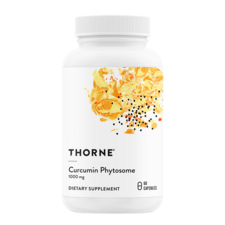
Thorne
Curcumin Phytosome (formerly Meriva)
60 capsules
Order on Fullscript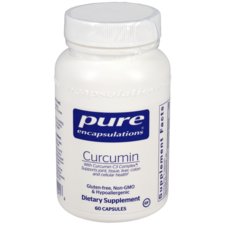
Pure Encapsulations
Curcumin
60 capsules
Order on Fullscript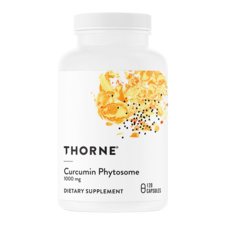
Thorne
Curcumin Phytosome (formerly Meriva) NSF
120 capsules
Order on Fullscript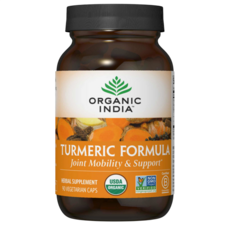
Organic India
Turmeric Formula
90 capsules
Order on Fullscript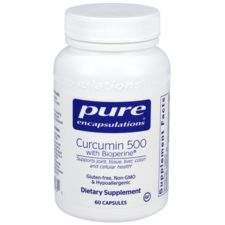
Pure Encapsulations
Curcumin 500 w/Bioperine
60 capsules
Order on Fullscript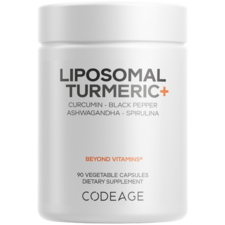
Codeage
Liposomal Fermented Turmeric
90 capsules
Order on Fullscript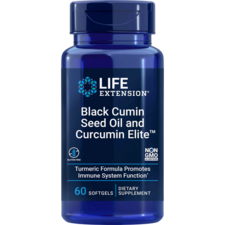
Life Extension
Black Cumin Seed Oil and Curcumin Elite™ Turmeric Extract
60 Softgels
Order on Fullscript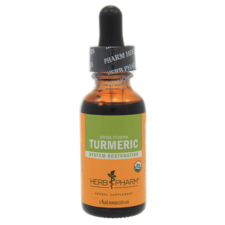
Herb Pharm
Turmeric
30 Milliliters
Order on FullscriptLooking for recipes?
Turmeric belongs in the kitchen as much as the medicine cabinet. Our nutrition team builds meal plans around herbs like this one — real food, real cooking, and a plan made for your body.
Want a plan built around herbs like this?
Our practitioners design personalized botanical protocols based on your unique health picture.
This herb study is for educational purposes only and is not intended to diagnose, treat, cure, or prevent any disease. Always consult with a qualified healthcare professional before making changes to your healthcare regimen.