The ancient adaptogen that teaches the body to handle stress.
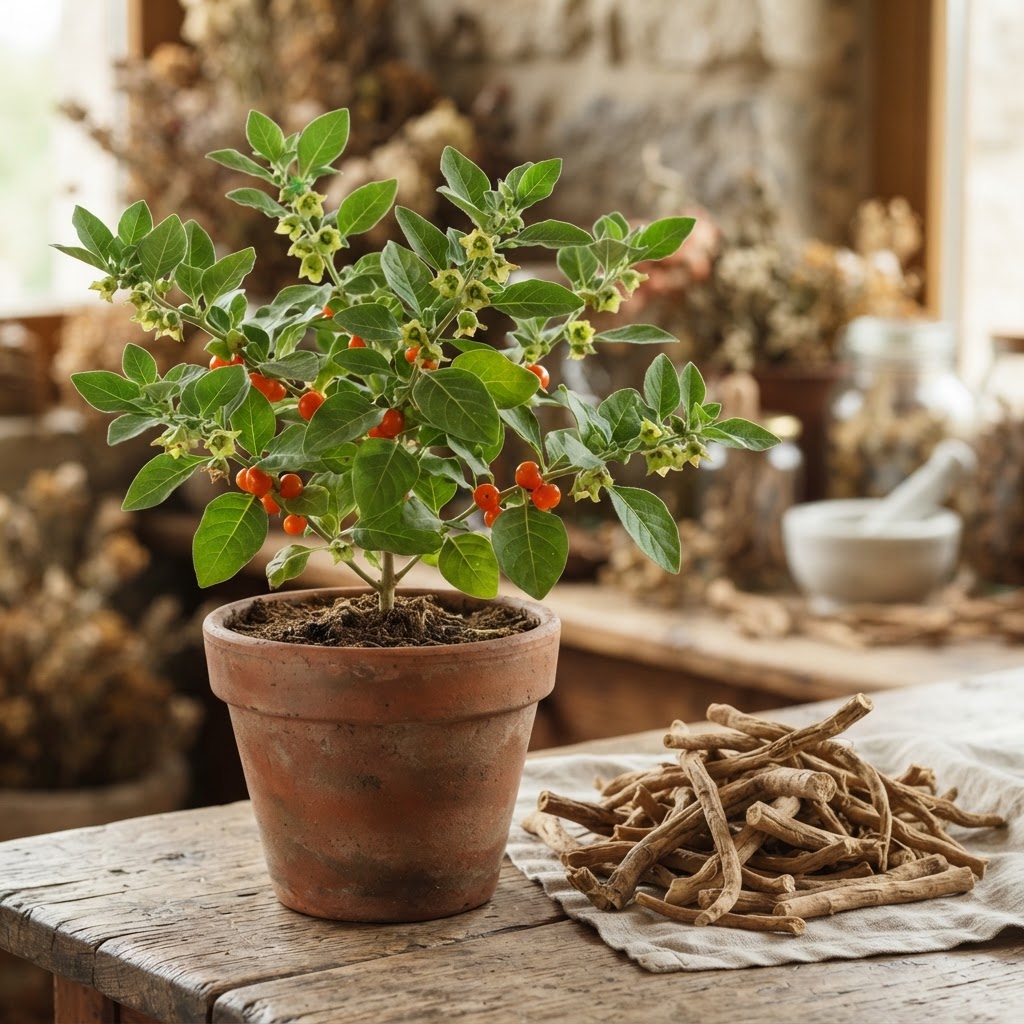
Ashwagandha is the classic rejuvenating herb of Ayurveda, used for more than 3,000 years to build strength, restore vitality, and steady the mind. Its name means "smell of the horse" — a nod to the stamina it was believed to confer. Modern research has focused on its ability to lower cortisol and help the nervous system recover from chronic stress.
Health Benefits
Lowers the Stress Load
Human trials consistently show ashwagandha reduces cortisol and perceived stress scores, helping the body recover from prolonged fight-or-flight activation.
Deepens Sleep Quality
As part of its calming effect on the nervous system, it improves sleep efficiency and time to fall asleep — without the grogginess of sedatives.
Steadies Mood & Energy
Long used for burnout, it supports a more even mood and sustained daytime energy rather than a stimulant spike.
Supports Strength & Recovery
Studies in both athletic and general populations report improvements in strength, endurance, and muscle recovery.
Supports Thyroid Function
Small trials suggest benefit for subclinical hypothyroidism by supporting thyroid hormone levels — always under practitioner supervision.
Protects Nerve & Brain Tissue
Its withanolides show antioxidant and neuroprotective activity, an area of ongoing cognitive research.
Rooted in Tradition
Ashwagandha appears in the Charaka Samhita, one of the foundational texts of Ayurveda, as a rasayana — a rejuvenating tonic that promotes longevity and vitality. It was prescribed for exhaustion, poor sleep, weakness after illness, and to support a clear, steady mind. The root and leaf were used in traditional practice, often prepared with warm milk and ghee. In the 20th century it drew the attention of Western researchers as an adaptogen — a plant that helps the body resist stress without overstimulating or sedating.
How It's Traditionally Prepared
Root Extract (KSM-66 or Sensoril)
300–600 mg dailyStandardized extracts used in most clinical trials. Split morning and evening or take at night.
Traditional Milk Decoction
1 tsp powder in warm milkSimmer briefly with milk, a pinch of cardamom, and honey. A classic evening rasayana.
Capsule
500–1,000 mg root powder, 1–2x dailyConvenient and effective; choose a brand that tests for purity.
Tincture
2–4 ml, 2x dailyWell absorbed and easy to adjust. Alcohol-free versions are available.
How to Use It
Ashwagandha is best taken consistently, usually once in the morning and once in the evening, or as a single evening dose if the goal is sleep. It works with the body's rhythm rather than forcing it, so expect benefits over 4–8 weeks. Root extract is the standard for stress and sleep; the traditional milk decoction remains a beautiful way to take it. Because it is calming, some people prefer not to take a large dose first thing before an intense workout.
What Research Shows
Randomized controlled trials have shown reductions in serum cortisol and improvements in Perceived Stress Scale scores at 300–600 mg daily over 8 weeks. Studies also report improved sleep quality, and in athletic populations, greater strength gains and reduced muscle damage markers.
Cautions & Interactions
Avoid during pregnancy. Ashwagandha may increase thyroid hormone levels — use caution with hyperthyroidism or thyroid medication. It can add to the effects of sedatives and, rarely, affect liver enzymes; report any unusual fatigue or jaundice. People on immunosuppressants or with autoimmune conditions should consult their practitioner first.
Where to Buy Ashwagandha
Practitioner-grade Ashwagandha from our Fullscript dispensary — shipped to your door.
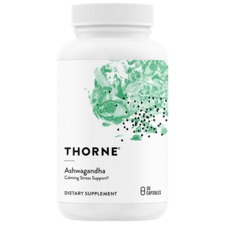
Thorne
Ashwagandha
30 capsules
Order on Fullscript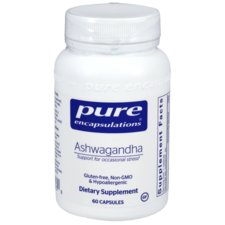
Pure Encapsulations
Ashwagandha
60 capsules
Order on Fullscript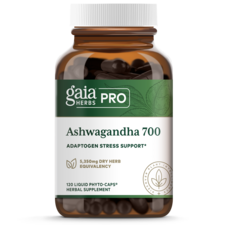
Gaia Herbs Pro
Ashwagandha 700
120 capsules
Order on Fullscript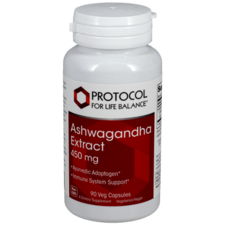
Protocol for Life Balance
Ashwagandha Extract 450mg
90 capsules
Order on Fullscript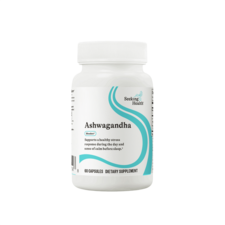
Seeking Health
Ashwagandha
60 capsules
Order on Fullscript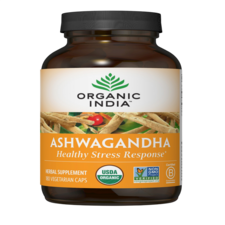
Organic India
Ashwagandha
180 capsules
Order on Fullscript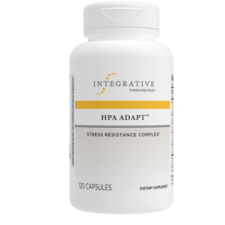
Integrative Therapeutics
HPA Adapt
120 capsules
Order on Fullscript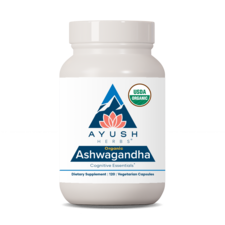
Ayush Herbs
Ashwagandha
120 capsules
Order on FullscriptLooking for recipes?
Ashwagandha belongs in the kitchen as much as the medicine cabinet. Our nutrition team builds meal plans around herbs like this one — real food, real cooking, and a plan made for your body.
Want a plan built around herbs like this?
Our practitioners design personalized botanical protocols based on your unique health picture.
This herb study is for educational purposes only and is not intended to diagnose, treat, cure, or prevent any disease. Always consult with a qualified healthcare professional before making changes to your healthcare regimen.