The spiny purple thistle whose seeds have protected the liver for 2,000 years.
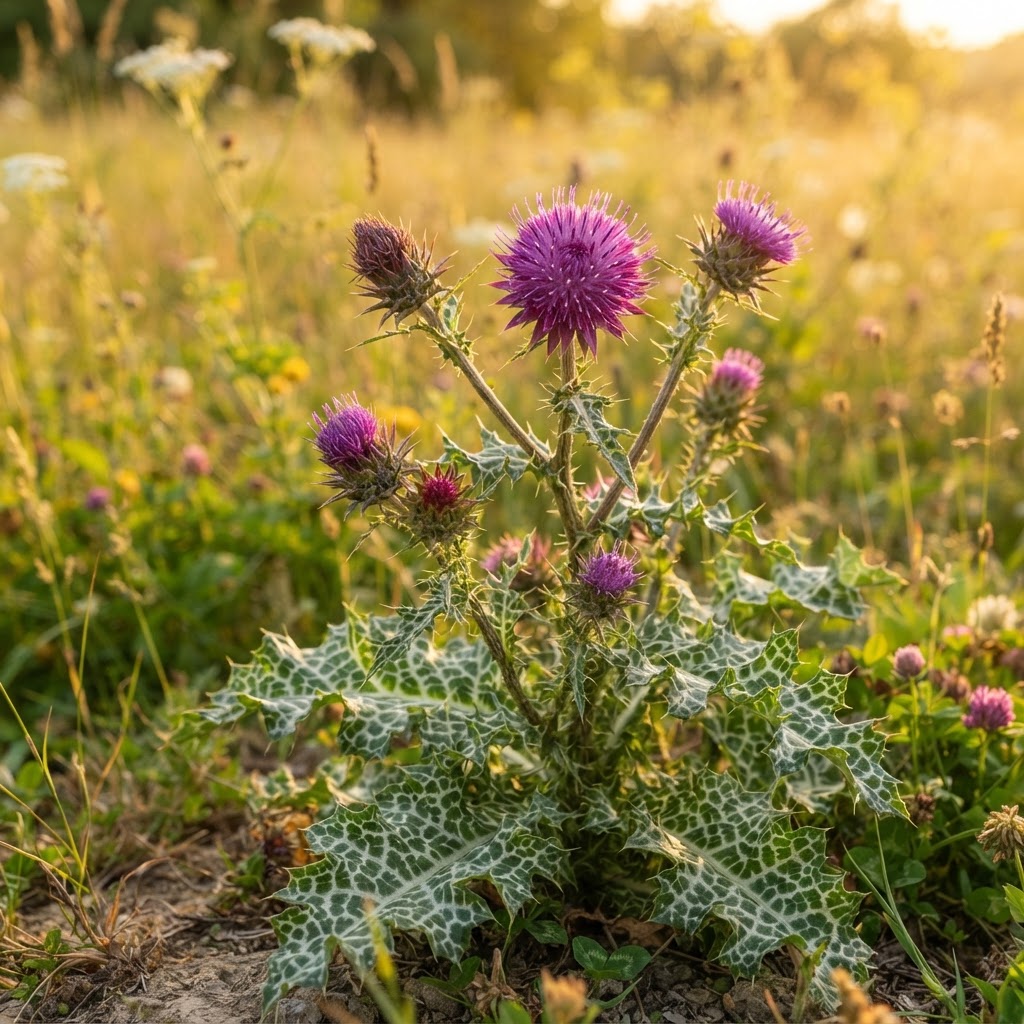
Milk thistle is unmistakable in a summer meadow — a bold purple thistle with white-marbled, spiny leaves. Its seeds contain silymarin, the most researched liver-protective compound in botanical medicine, used for everything from sluggish detoxification to recovery from toxin exposure.
Health Benefits
Protects Liver Cells
Silymarin strengthens liver cell membranes and helps block the entry of toxins, making it a cornerstone of liver-support protocols.
Supports Detoxification Pathways
Milk thistle supports phase I and phase II liver detoxification and helps maintain healthy glutathione — the body's master antioxidant.
Antioxidant Protection
Among the most potent botanical antioxidants, it reduces oxidative stress in liver, kidney, and blood vessel tissue.
Supports Healthy Bile Flow
Traditionally used for sluggish digestion and fat intolerance, it promotes bile production and flow.
Aids Recovery from Toxin Exposure
Widely used alongside protocols involving alcohol, medications, environmental toxins, or chemotherapy — always with practitioner oversight.
Supports Skin & Hormonal Balance
By supporting liver clearance, it indirectly supports clearer skin and balanced hormone metabolism.
Rooted in Tradition
The white veins running through milk thistle's leaves were said to be drops of the Virgin Mary's milk — hence the name, and its centuries-long association with nurturing and protection. The 1st-century physician Pliny the Elder recommended the plant for liver complaints, and it has held that role ever since. European herbalists used the seeds for jaundice, gallstones, and mushroom poisoning. In the 20th century, researchers isolated the silymarin complex and began studying it formally for liver disease.
How It's Traditionally Prepared
Standardized Silymarin Extract
150–300 mg, 2x dailyStandardized to 70–80% silymarin — the most studied preparation. Take with food.
Phosphatidylcholine Complex
As directed on labelSilymarin bound to phospholipids absorbs noticeably better.
Seed Tea
1 tsp crushed seed, 2–3x dailyLightly crush seeds and steep in hot water 10 minutes. Gentle daily liver support.
Tincture
2–3 ml, 2–3x dailyConvenient for combining with other liver-support herbs.
How to Use It
Milk thistle is taken as a standardized extract, usually with meals, and works gradually — think in terms of months for liver support rather than days. It pairs beautifully with other liver botanicals such as dandelion root, artichoke leaf, and NAC. Because it influences how the liver processes compounds, always tell your practitioner about every medication and supplement you're taking.
What Research Shows
Silymarin is one of the most extensively studied botanical compounds for liver health, with research spanning fatty liver, hepatitis, and toxin-induced liver injury. Reviews report improvements in liver enzymes and antioxidant status, with an excellent safety profile across trials.
Cautions & Interactions
Milk thistle is well tolerated. Mild digestive upset or loose stools can occur at higher doses. Because it affects liver enzyme activity, it may alter the metabolism of some medications — review all prescriptions with your practitioner. Use caution with a known allergy to the Asteraceae family (ragweed, daisies, marigolds). Avoid during pregnancy without guidance. It is a support, not a substitute for medical treatment of liver disease.
Where to Buy Milk Thistle
Practitioner-grade Milk Thistle from our Fullscript dispensary — shipped to your door.
Protocol for Life Balance
Milk Thistle Extract 300mg
90 capsules
Order on Fullscript
Gaia Herbs Pro
Milk Thistle 1000
120 capsules
Order on Fullscript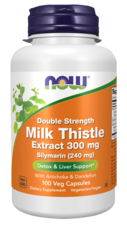
NOW Foods
Double Strength Milk Thistle Extract 300mg
100 capsules
Order on Fullscript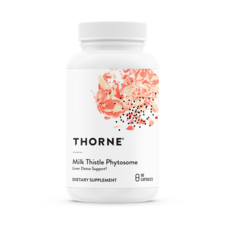
Thorne
Milk Thistle Phytosome (formerly Siliphos)
90 capsules
Order on Fullscript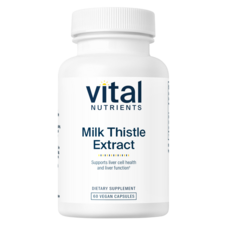
Vital Nutrients
Milk Thistle Extract 250mg
60 capsules
Order on Fullscript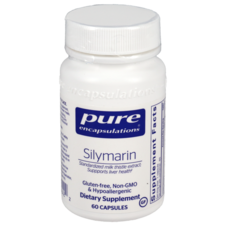
Pure Encapsulations
Silymarin
60 capsules
Order on Fullscript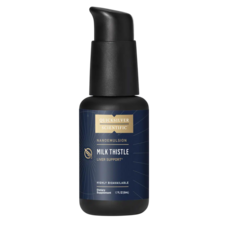
Quicksilver Scientific
Nanoemulsified Milk Thistle
50 Milliliters
Order on Fullscript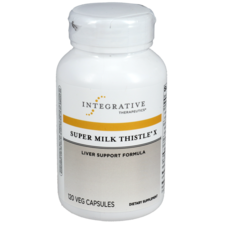
Integrative Therapeutics
Super Milk Thistle X
120 capsules
Order on FullscriptLooking for recipes?
Milk Thistle belongs in the kitchen as much as the medicine cabinet. Our nutrition team builds meal plans around herbs like this one — real food, real cooking, and a plan made for your body.
Want a plan built around herbs like this?
Our practitioners design personalized botanical protocols based on your unique health picture.
This herb study is for educational purposes only and is not intended to diagnose, treat, cure, or prevent any disease. Always consult with a qualified healthcare professional before making changes to your healthcare regimen.