The aromatic that calms a racing mind and eases the body into rest — fragrance as medicine.
Few plants calm the human nervous system as reliably as lavender. Its scent reaches the brain by the shortest possible route — straight through the olfactory nerve, no digestion required — which is why a single deep breath of it can soften a racing mind within moments. This is aromatherapy in its purest form: fragrance as medicine.
Health Benefits
Calms the Nervous System
Lavender is one of the best-studied aromatics for rest. Inhaled lavender oil has been shown to improve sleep quality, shorten the time it takes to fall asleep, and increase slow-wave (deep) sleep — without the grogginess of sedative medication.
Eases Anxiety & Worry
Clinical trials using oral standardised lavender oil (Silexan) have demonstrated meaningful reductions in anxiety comparable to low-dose benzodiazepines in some studies, with a far gentler side-effect profile.
Lifts Low Mood
Linalool and linalyl acetate — lavender's signature aromatic compounds — cross into the bloodstream through the lungs and calm the central nervous system, which is why a few slow breaths of the oil can shift how you feel within minutes.
Soothes Tension & Headaches
Lavender is a traditional support for tension headaches and everyday aches, used diluted in massage oil or as a cool compress across the forehead and neck.
Comforts Skin & Minor Burns
Diluted lavender oil has antibacterial and anti-inflammatory properties that make it a first-choice aromatic for minor burns, insect bites, and irritated skin, and a calming addition to a bath or skin balm.
Settles Digestion
Because it works on both the nervous system and the digestive tract, lavender tea is a classic remedy for nervous stomach, bloating, and the tight, churning feeling that comes with stress.
Rooted in Tradition
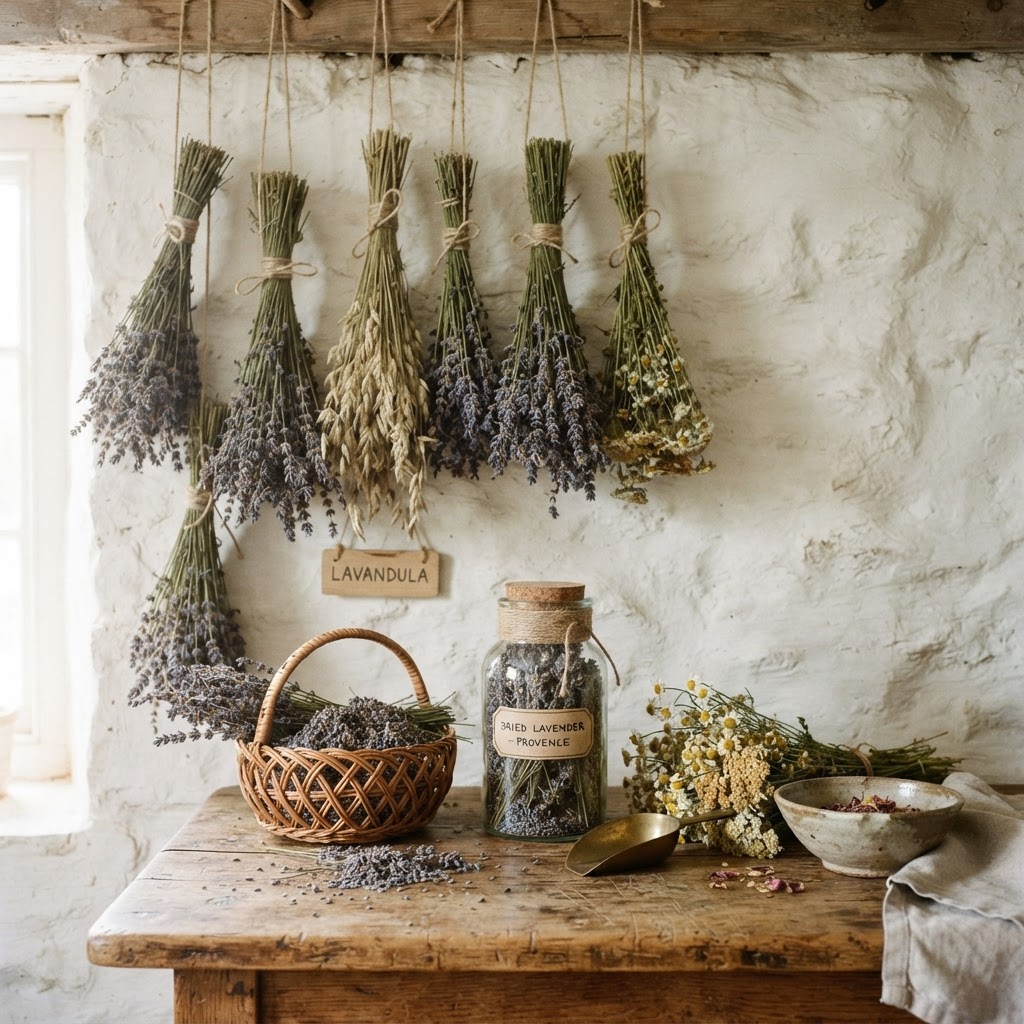
Lavender has perfumed human life for at least 2,500 years. The Egyptians used it in embalming and ritual incense, the Phoenicians traded it across the Mediterranean, and the Romans — who gave it its name from the Latin lavare, "to wash" — scented their baths, their linens, and their hair with it. In medieval and Renaissance Europe, lavender was strewn across floors to sweeten stale air and ward off plague, and it hung in linen closets to keep moths away and clothes smelling clean. Apothecaries distilled it into the first true essential oils, and it became a staple of the European materia medica for headache, fainting, and low spirits. By the 20th century, lavender was the founding aromatic of modern aromatherapy. René-Maurice Gattefossé, the French chemist who coined the term in the 1920s, famously treated a burn on his own hand with lavender oil — a story that helped launch an entire therapeutic tradition. Today lavender is the most widely used essential oil in the world, and the herb most likely to be found at a bedside, a bath, or a diffuser.
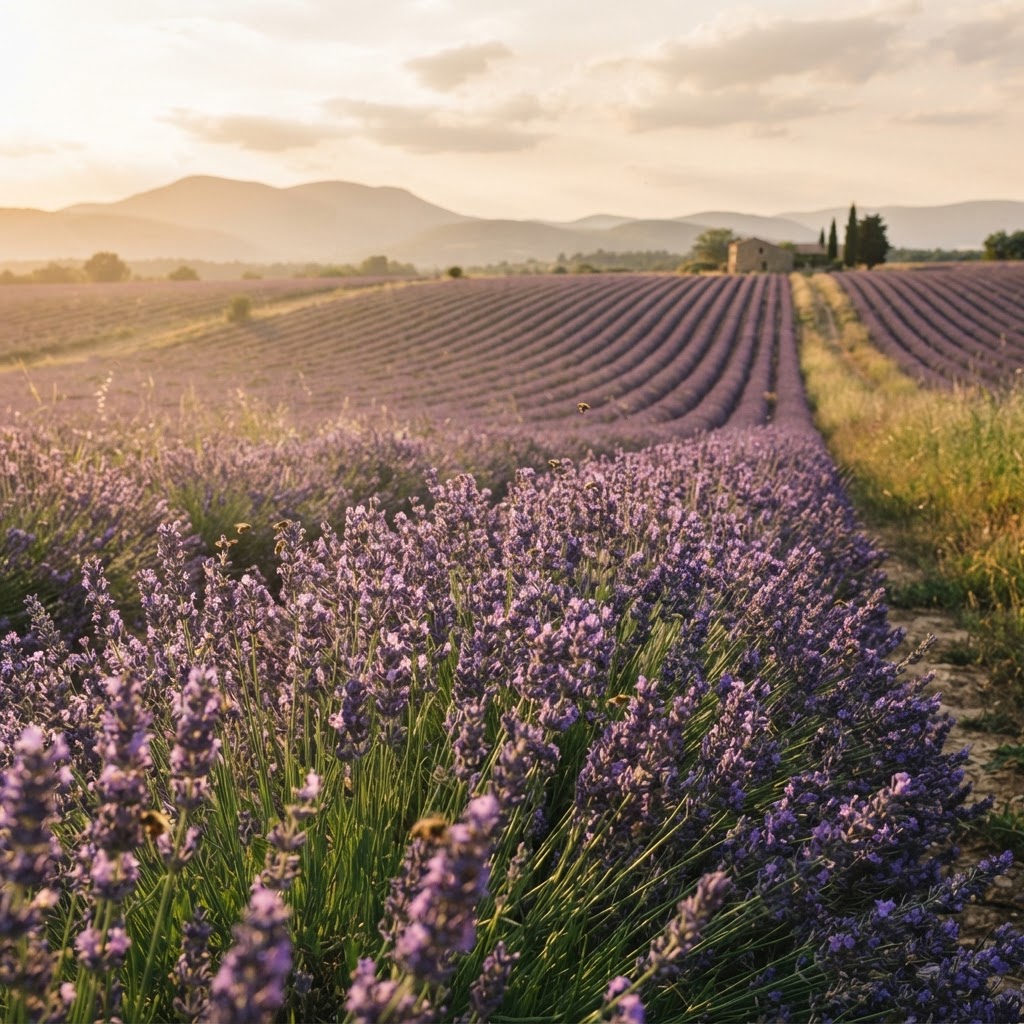
In the Garden
How It's Traditionally Prepared
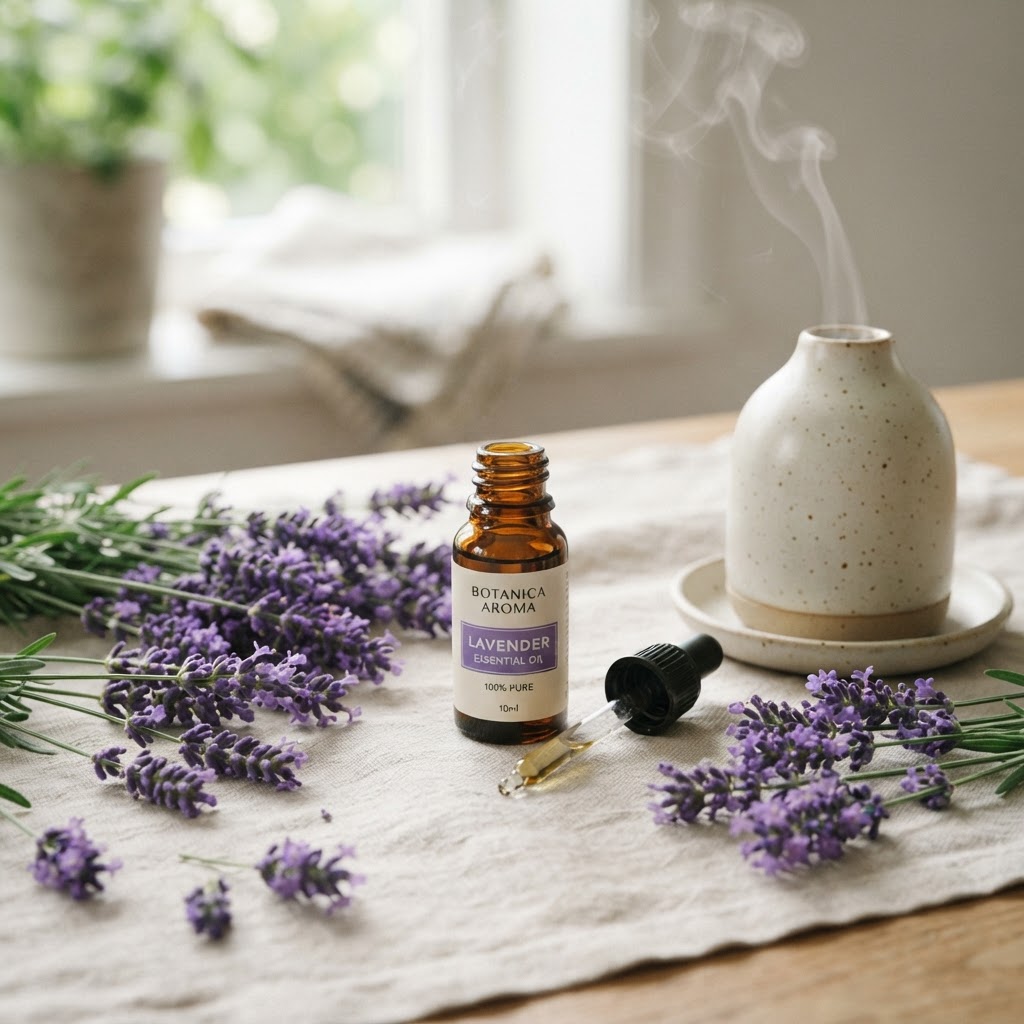
Aromatherapy Inhalation
3–5 drops in a diffuser, or 1–2 drops inhaled from palms or a tissueThe fastest and most studied route. Ideal for sleep, anxiety, and acute stress. Diffuse for 20–60 minutes in a ventilated room.
Diluted Topical Oil
2–3% dilution in a carrier oilFor massage, tension headaches, the soles of the feet, minor burns, insect bites, and irritated skin. Never apply undiluted.
Flower Tea
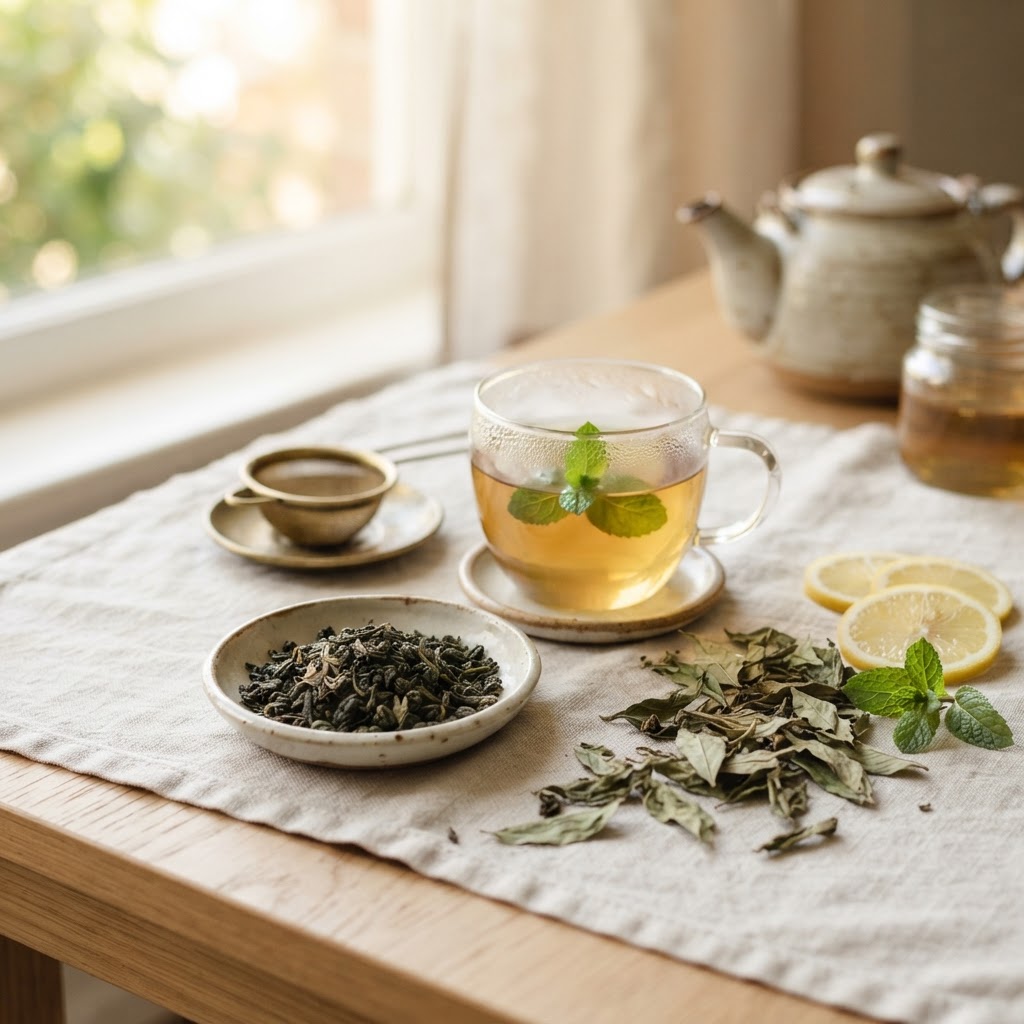
1–2 tsp dried flowers per cup, steeped 10 minutesGentle and pleasant-tasting. Excellent after dinner for nervous digestion, or an hour before bed. May be combined with chamomile or lemon balm.
Bath Soak
2–4 drops of oil, or 1 cup of dried flowersDisperse the oil in a spoonful of milk, honey, or Epsom salt first so it doesn't float on the surface and irritate skin.
Pillow Mist or Sachet
1–2 drops on a tissue, or a linen sachetFor restful sleep and fresh linens. The simplest way to keep the aroma present through the night.
Standardised Oral Capsules
80–160 mg standardised oil, or as directedSilexan-style preparations for anxiety are used under practitioner supervision. Use only products intended for internal use.
How to Use It
Lavender is the aromatic most people can begin with safely, and it shines brightest when it meets you where you are: at the end of a long day, in a restless night, or in the middle of a tense afternoon. For sleep, add 3–5 drops to a diffuser in the bedroom 20–30 minutes before bed, or place a single drop on a tissue tucked near the pillow — the scent alone does the work. For anxiety, breathe it in slowly and deliberately: two or three drops in the palms, rub together, cup over the nose, and take five slow breaths. For skin, dilute 2–3% in jojoba or almond oil and apply to tension points, the soles of the feet, or a minor burn or bite. A handful of dried flowers in a warm bath, or a cup of lavender tea after dinner, carries the same calming message through a different door. Lavender pairs beautifully with other gentle aromatics — chamomile for sleep, bergamot for low mood, rosemary for focus — and with herbs taken internally such as lemon balm and passionflower for ongoing nervous-system support.
What Research Shows
Lavender may be the most thoroughly researched aromatic in clinical medicine, with hundreds of published studies covering sleep, anxiety, pain, and mood. A large body of randomised trials shows that inhaled lavender improves sleep quality and reduces anxiety in hospital patients, students before exams, and people with insomnia. One well-designed study found that lavender aroma increased deep slow-wave sleep in both men and women, and participants reported feeling more refreshed the next morning. The best evidence for anxiety comes from standardised oral lavender oil (Silexan). A meta-analysis of randomised controlled trials found it significantly reduced anxiety scores compared with placebo, and head-to-head studies in generalised anxiety disorder have shown effects comparable to lorazepam and paroxetine — with notably fewer side effects such as sedation or dependency. Lavender has also performed well in trials for tension headache, menstrual pain, postoperative pain, and even as a calming adjunct in dementia-related agitation. Its chemistry is well understood: linalool and linalyl acetate are absorbed through the lungs and skin, modulating GABA-A receptor activity and calming the sympathetic nervous system — the same pathway sedative medications target, but gently.
Cautions & Interactions
Lavender is remarkably gentle, but aromatic medicine deserves the same respect as any other. Never apply undiluted essential oil to the skin. Dilute to 2–3% in a carrier oil (about 12–18 drops per 30 mL) for adults, and 0.5–1% for children over two, the elderly, or anyone with sensitive skin. A small patch test on the inner forearm is always wise the first time. Lavender oil is not for internal use unless it is a certified food-grade product used under professional guidance — and never for children by mouth. Use extra care during pregnancy: avoid the first trimester, keep to low dilutions (1%) afterwards, and check with your practitioner. Because lavender has mild oestrogenic activity, people with hormone-sensitive conditions such as endometriosis, fibroids, or oestrogen-receptor-positive breast cancer should use it sparingly and only with practitioner approval. Essential oils are toxic to pets, especially cats and birds, who cannot metabolise them. Diffuse in well-ventilated rooms, keep bottles sealed and out of reach, and never apply oils to an animal. Avoid diffusing around infants under six months. Lavender oil can occasionally cause skin irritation or sensitisation with repeated use, and oxidised (old) oil is more likely to do so — store bottles cool and dark. Lavender tea is generally safe in normal amounts but should be avoided in large medicinal doses during pregnancy.
Where to Buy Lavender
Practitioner-grade Lavender from our Fullscript dispensary — shipped to your door.
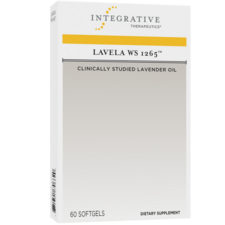
Integrative Therapeutics
Lavela WS 1265
60 Softgels
Order on Fullscript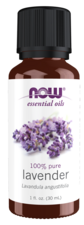
NOW/Personal Care
Lavender Oil
1 Ounce
Order on Fullscript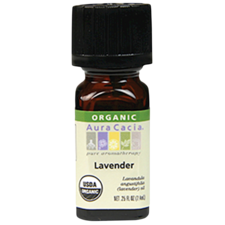
Aura Cacia
Lavender Organic Essential Oil
Order on Fullscript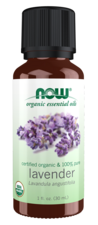
NOW/Personal Care
Lavender Oil Organic
1 Ounce
Order on Fullscript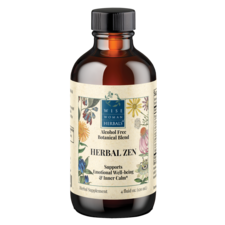
Wise Woman Herbals
Herbal Zen
120 Milliliters
Order on Fullscript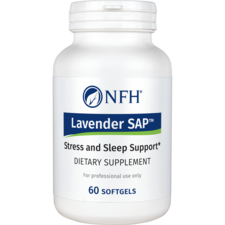
Nutritional Fundamentals for Health
Lavender SAP
60 Softgels
Order on Fullscript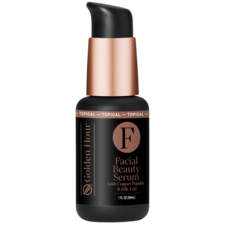
Quicksilver Scientific
Facial Beauty Serum with Copper Peptide (GHK-Cu)
30 Milliliters
Order on Fullscript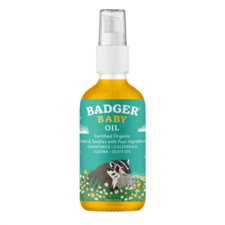
Badger
Calming Baby Oil Glass Bottle
4 Ounces
Order on FullscriptLooking for recipes?
Lavender belongs in the kitchen as much as the medicine cabinet. Our nutrition team builds meal plans around herbs like this one — real food, real cooking, and a plan made for your body.
Want a plan built around herbs like this?
Our practitioners design personalized botanical protocols based on your unique health picture.
This herb study is for educational purposes only and is not intended to diagnose, treat, cure, or prevent any disease. Always consult with a qualified healthcare professional before making changes to your healthcare regimen.