The winter berry that has guarded immune health for centuries.
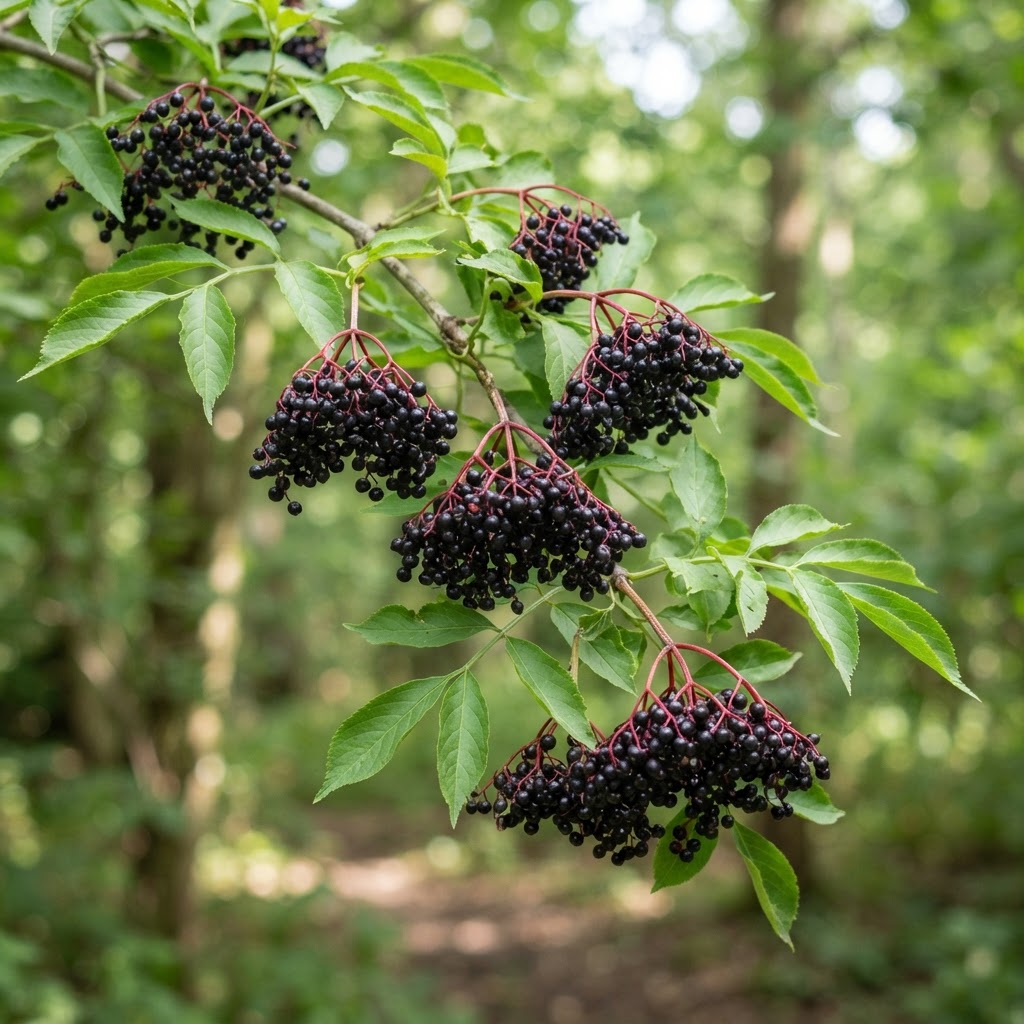
Every autumn, hedgerows across Europe fill with clusters of deep purple elderberries — and for centuries that harvest has been turned into syrups, cordials, and preserves used through the cold months. Elderberry is one of the best-loved immune botanicals in the world, prized for shortening and softening respiratory infections.
Health Benefits
Shortens Cold & Flu Duration
Clinical trials of standardized elderberry extract report shorter illness duration and reduced symptom severity when started early in a respiratory infection.
Rich in Anthocyanin Antioxidants
The deep purple pigment comes from anthocyanins — potent antioxidants that support cellular defense and healthy inflammatory balance.
Supports Immune Readiness
Elderberry supports cytokine balance and immune signaling, helping the body respond efficiently rather than overreact.
Eases Congestion & Sinus Pressure
Elderflower has long been used as a diaphoretic tea to ease feverish colds, sinus congestion, and head pressure.
Supports Respiratory Comfort
A traditional companion for coughs and irritated airways, often combined with echinacea, zinc, or vitamin C.
Gentle Enough for Families
Properly prepared elderberry syrup is one of the most family-friendly immune preparations when used appropriately.
Rooted in Tradition
Elder has been called "the medicine chest of the country people" in European folk tradition. Every part of the tree was used — berries and flowers for medicine and food, bark and leaves for dyes, and the hollow stems for flutes and whistles. Hippocrates referred to the elder tree as his "medicine chest," and elderberry syrup was a household staple through the winters of the 18th and 19th centuries. Native American and European traditions both used elderflower tea for fevers and congestion.
How It's Traditionally Prepared
Standardized Elderberry Extract
15 ml (1 tbsp), 4x daily while illThe form used in most clinical trials. Start within 24–48 hours of first symptoms.
Homemade Elderberry Syrup
1 tsp–1 tbsp dailySimmer dried berries with water, ginger, and cloves; strain and sweeten with honey. Never use raw berries.
Elderflower Tea
1–2 tsp dried flowers, 2–3x dailyPour boiling water over flowers, steep 10 minutes. Traditional for feverish colds and sinus congestion.
Maintenance Dose
1 tsp daily through winterA gentle daily amount for seasonal immune support.
How to Use It
Timing matters most with elderberry: begin at the very first sign of a cold or flu and take it consistently for the first 3–5 days. For prevention through the winter, a smaller daily maintenance dose is often used. Elderberries must always be cooked — raw berries, stems, and leaves contain cyanogenic compounds and can cause nausea. Simmer berries thoroughly before making syrup, or choose a professionally prepared extract.
What Research Shows
Randomized, double-blind trials of standardized elderberry extract in air travelers and in influenza-like illness reported significantly shorter illness duration and reduced symptom severity versus placebo. Laboratory research shows elderberry compounds can interfere with viral entry and replication, though clinical outcomes remain the more meaningful measure.
Cautions & Interactions
Always cook elderberries — raw berries, stems, and leaves contain cyanogenic glycosides that can cause vomiting and diarrhea. Do not use during pregnancy or breastfeeding without practitioner guidance. Elderberry may stimulate the immune system; use caution with autoimmune conditions or immunosuppressant therapy. Because it can act as a mild diuretic, stay well hydrated. If symptoms persist beyond a few days or you have a high fever, seek medical care.
Where to Buy Elderberry
Practitioner-grade Elderberry from our Fullscript dispensary — shipped to your door.
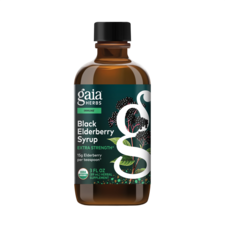
Gaia Herbs
Black Elderberry Syrup - Extra Strength
89 MIlliliters
Order on Fullscript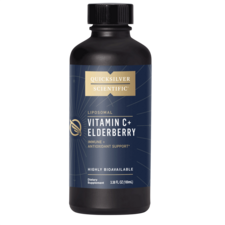
Quicksilver Scientific
Vitamin C with Elderberry
100 Milliliters
Order on Fullscript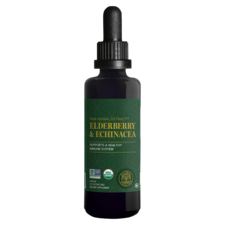
Global Healing Center
Organic Elderberry & Echinacea
59 Milliliters
Order on Fullscript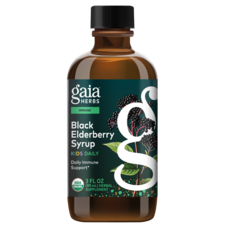
Gaia Herbs Pro
Kids Black Elderberry Syrup
89 MIlliliters
Order on Fullscript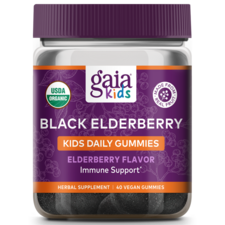
Gaia Herbs
GaiaKids Everyday Elderberry Gummies
40 Gummies
Order on Fullscript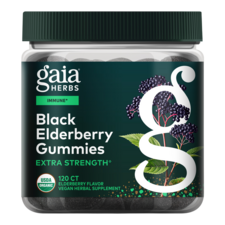
Gaia Herbs
Black Elderberry Extra Strength Gummies
120 gummies
Order on Fullscript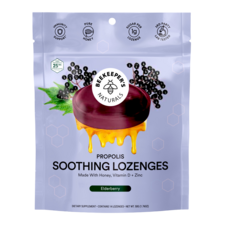
Beekeeper's Naturals
B. Soothed Elderberry Lozenges
14 Lozenges
Order on Fullscript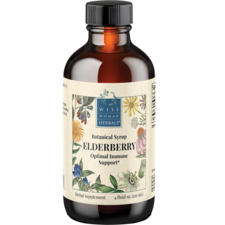
Wise Woman Herbals
Elderberry Syrup
120 Milliliters
Order on FullscriptLooking for recipes?
Elderberry belongs in the kitchen as much as the medicine cabinet. Our nutrition team builds meal plans around herbs like this one — real food, real cooking, and a plan made for your body.
Want a plan built around herbs like this?
Our practitioners design personalized botanical protocols based on your unique health picture.
This herb study is for educational purposes only and is not intended to diagnose, treat, cure, or prevent any disease. Always consult with a qualified healthcare professional before making changes to your healthcare regimen.