Nature's immune ally — the purple coneflower that shortens colds and strengthens your defenses.
As the seasons turn and the school year begins, Echinacea steps forward as one of the most studied immune herbs in the world. Native to the North American prairies, its spiky orange cones and drooping violet petals have signalled the arrival of late summer for centuries — and its roots and aerial parts have been used to fortify the body against the first chill of autumn ever since.
Health Benefits
Shortens Colds & Flu
Taken at the first sign of a scratchy throat, echinacea has been shown in multiple clinical trials to reduce the length of a cold by roughly one to two days and to lessen symptom severity.
Modulates Immune Response
Alkylamides and polysaccharides in echinacea stimulate macrophage activity and increase the production of immune signalling molecules — helping the body mount a faster, more coordinated defence.
Powerful Antioxidant Support
Rich in caffeic acid derivatives such as cichoric acid, echinacea helps neutralise free radicals and protects cells from oxidative stress.
Soothes the Upper Respiratory Tract
Echinacea is traditionally used for sore throat, cough, and congestion — especially valuable in the early stages of a respiratory infection.
Supports Recovery & Vitality
Because it works with the immune system rather than against it, echinacea is well suited to repeated short courses through cold-and-flu season to keep resilience high.
Topical Wound Support
Applied externally, echinacea preparations have a long history of calming inflamed skin, minor wounds, and insect bites.
Rooted in Tradition
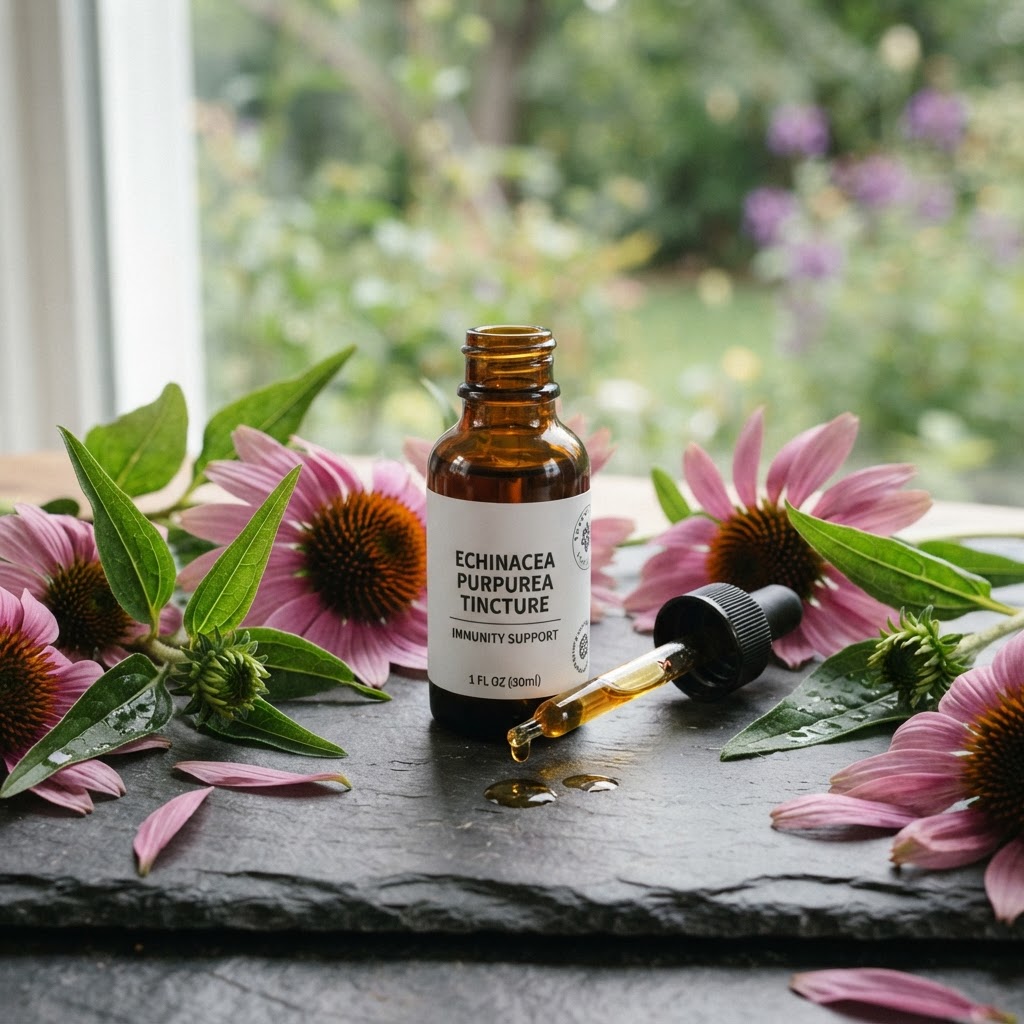
Echinacea purpurea is one of nine coneflower species native to the grasslands and open woodlands of central and eastern North America. The name comes from the Greek echinos, meaning hedgehog — a nod to the prickly, spiny centre of the flower head. More than a dozen Plains Nations used echinacea as a cornerstone medicine. The Lakota, Cheyenne, Comanche, and Omaha prepared the root as a poultice for wounds, insect bites, and burns, and drank decoctions at the first sign of fever or infection. It was among the most widely used plants in the traditional materia medica of the Great Plains. By the late 1800s, echinacea had moved into American eclectic medicine, where it was prescribed for everything from snakebite to influenza. It became one of the best-selling herbs in the United States — and when antibiotics arrived in the 1930s, its popularity shifted to Europe, where German physicians and pharmacists continued to study and prescribe it. Today it is the most widely used immune herb in the Western world, and remains a protected native prairie wildflower across much of its original range.
In the Garden

How It's Traditionally Prepared
Tincture
2.5–5 mL, 3× dailyThe most flexible form and the one most studied. Take in a little water at the first sign of a cold and continue for up to 10 days.
Dried Root or Aerial Tea
1–2 tsp dried herb per cup, 3× dailySimmer the root for 15–20 minutes (a light decoction) or steep the aerial parts for 10 minutes. Add honey for a soothing throat tea.
Capsules or Tablets
300–500 mg, 3× dailyConvenient for travel and work. Choose a standardised extract listing cichoric acid or alkylamide content.
Throat Spray
As directed, up to 4× dailyFast-acting and especially helpful for the first scratchy day of a sore throat.
Topical Salve or Poultice
Apply to affected area 1–3× dailyTraditional for minor wounds, insect bites, and inflamed skin. Use clean dried root or a commercial echinacea salve.
How to Use It
The key with echinacea is timing: start it at the very first tickle of a cold and continue for 7–10 days, then pause. It works best in short, frequent bursts rather than as an everyday tonic taken indefinitely. Typical adult guidance is 900–1,500 mg of dried aerial-part extract per day, or 2.5–5 mL of tincture (1:5) taken three times daily, beginning at symptom onset. For children, use a weight-appropriate alcohol-free preparation under practitioner guidance. Echinacea combines beautifully with elderberry, vitamin C, and zinc at the first sign of illness, and pairs well with adaptogens such as ashwagandha for ongoing stress-related immune depletion.
What Research Shows
Echinacea has a substantial research base — well over 500 published studies — though results vary with the species, plant part, and preparation used, which is why product quality matters enormously. A widely cited meta-analysis of 14 randomised controlled trials found that echinacea reduced the incidence of the common cold by around 58% and shortened its duration by roughly 1.4 days. Other trials have shown meaningful reductions in cold severity and in the number of days symptoms interfered with daily life. A landmark 2007 randomised, double-blind trial published in The Lancet Infectious Diseases reported that a standardised echinacea extract cut cold duration by about 1.4 days and reduced the need for additional medication. More recent reviews continue to support a modest but consistent benefit when echinacea is started early. Its immune-modulating action is attributed to alkylamides, caffeic acid derivatives, and polysaccharides, which influence macrophage activation, cytokine signalling, and natural killer cell activity. Importantly, long-term safety studies have not shown harm to immune function from appropriate short-course use.
Cautions & Interactions
Echinacea is generally very well tolerated. The most common side effects are mild digestive upset or a temporary tingling sensation on the tongue from the alkylamides in fresh preparations. Avoid echinacea if you are allergic to plants in the Asteraceae/Compositae family — daisies, ragweed, marigolds, chrysanthemums — as allergic reactions, including rare anaphylaxis, have been reported. Because echinacea stimulates immune activity, it is generally avoided in autoimmune conditions such as multiple sclerosis, lupus, and rheumatoid arthritis, and in people taking immunosuppressant medications, unless supervised by a knowledgeable practitioner. Use caution with medications metabolised by CYP1A2 and CYP3A4, and with amiodarone, methotrexate, or ketoconazole. Echinacea is not recommended during pregnancy or breastfeeding without practitioner guidance, and is not appropriate for children under two. Do not take continuously for longer than 8 weeks — cycle it instead.
Where to Buy Echinacea
Practitioner-grade Echinacea from our Fullscript dispensary — shipped to your door.
Global Healing Center
Organic Elderberry & Echinacea
59 Milliliters
Order on Fullscript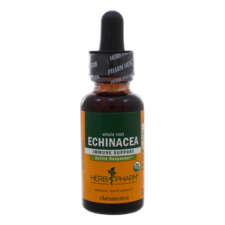
Herb Pharm
Echinacea
30 Milliliters
Order on Fullscript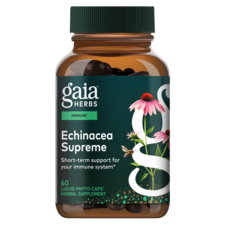
Gaia Herbs
Echinacea Supreme
60 capsules
Order on Fullscript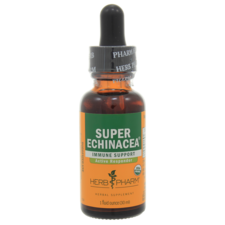
Herb Pharm
Super Echinacea
30 Milliliters
Order on Fullscript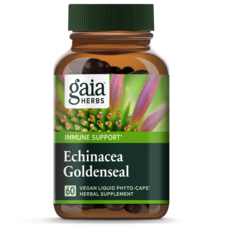
Gaia Herbs
Echinacea Goldenseal
60 capsules
Order on Fullscript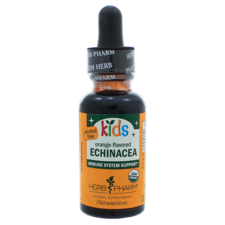
Herb Pharm
Kids Echinacea AF
30 Milliliters
Order on Fullscript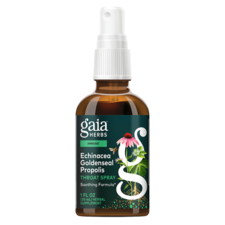
Gaia Herbs
Echinacea/Gold Propolis Throat Spray
30 Milliliters
Order on Fullscript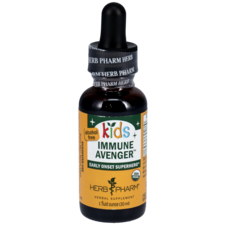
Herb Pharm
Kids Immune Avenger
30 Milliliters
Order on FullscriptLooking for recipes?
Echinacea belongs in the kitchen as much as the medicine cabinet. Our nutrition team builds meal plans around herbs like this one — real food, real cooking, and a plan made for your body.
Want a plan built around herbs like this?
Our practitioners design personalized botanical protocols based on your unique health picture.
This herb study is for educational purposes only and is not intended to diagnose, treat, cure, or prevent any disease. Always consult with a qualified healthcare professional before making changes to your healthcare regimen.