The deep immune tonic that has fortified bodies through winter for 2,000 years.
Astragalus is the quiet workhorse of Chinese herbal medicine — a sweet, warming root taken not to fight a cold but to build the resilience that keeps colds away. In Traditional Chinese Medicine it is a premier qi tonic: the herb you take when you are tired, easily chilled, slow to recover, or simply catching everything that goes around. Modern research has followed the tradition closely, focusing on immune resilience, recovery from illness, and healthy aging.
Health Benefits
Deep Immune Support
Astragalus polysaccharides and saponins support the activity of macrophages, natural killer cells, and T-cells — the surveillance and response teams of the immune system.
Fewer and Shorter Colds
A classic preventive herb rather than an acute remedy. Regular use through the winter is traditionally used to reduce how often colds arrive and how long they last.
Restores Energy After Illness
As a qi tonic, astragalus is used for the flat, depleted feeling that follows a long infection, period of stress, or season of overwork — supporting a return to normal stamina.
Supports Heart & Circulation
Used traditionally for a weak, irregular pulse, astragalus is being studied for its ability to support heart muscle function, healthy blood pressure, and circulation to the extremities.
Healthy Blood Sugar Balance
Preliminary research suggests astragalus may support insulin sensitivity and glucose metabolism, which is why it appears in metabolic and blood-sugar protocols.
Healthy Aging & Skin Repair
Long used for non-healing wounds and skin ulcers, astragalus is now studied for its antioxidant effects and its influence on telomerase — a marker of cellular aging.
Rooted in Tradition
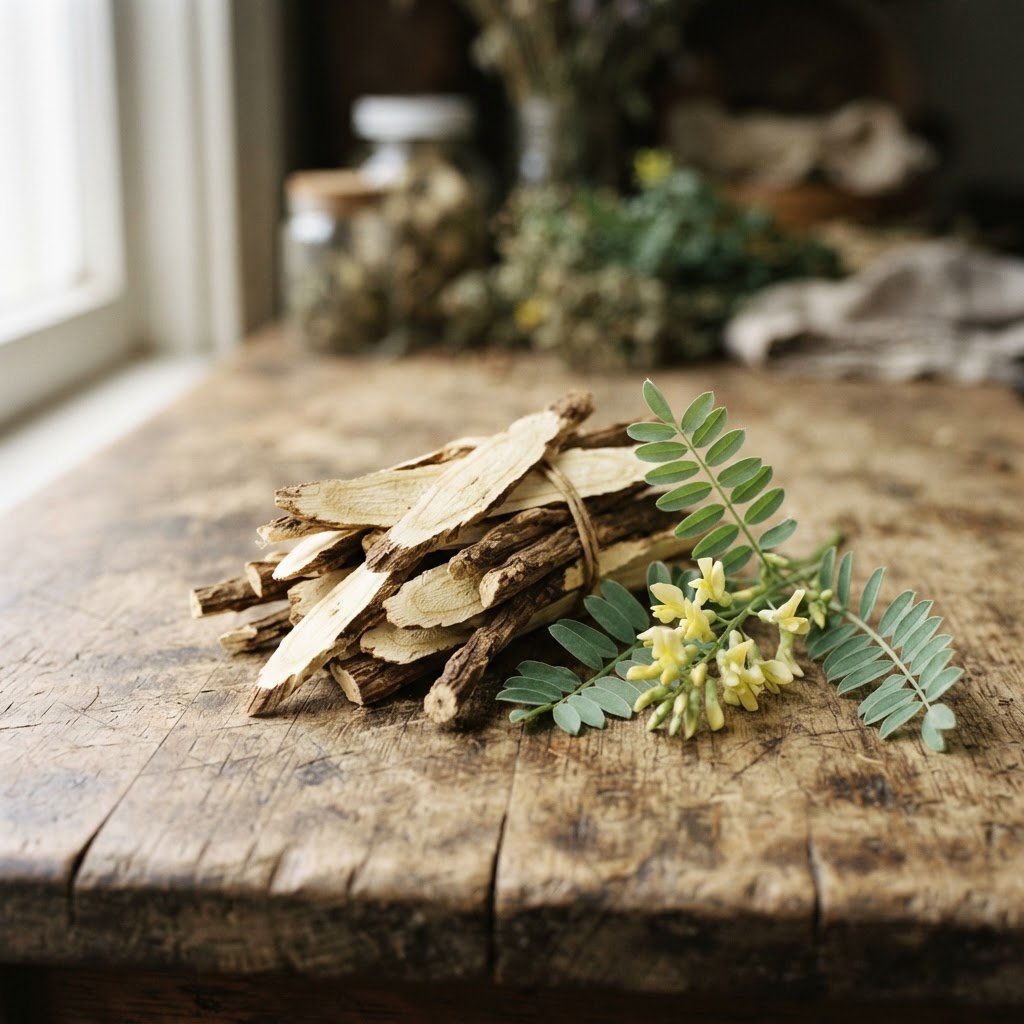
Astragalus root has been recorded in Chinese medicine for more than 2,000 years and appears in the Shennong Bencao Jing, the oldest surviving Chinese materia medica. Its Chinese name, huang qi, means "yellow leader" — a reference to both the color of the root and its position as one of the most important tonic herbs in the tradition. Classically it was prescribed for qi deficiency: fatigue, poor appetite, spontaneous sweating, frequent colds, and slow healing wounds. It was also a cornerstone of fu zheng therapy — literally "supporting the upright" — a strategy of strengthening the body rather than attacking the illness. That approach is still used in modern Chinese hospitals alongside conventional treatment, and it has drawn the interest of researchers worldwide. In the West, astragalus entered the eclectic and naturopathic traditions as an immune tonic, and it remains one of the most widely used roots in clinical practice during the cold and flu season.
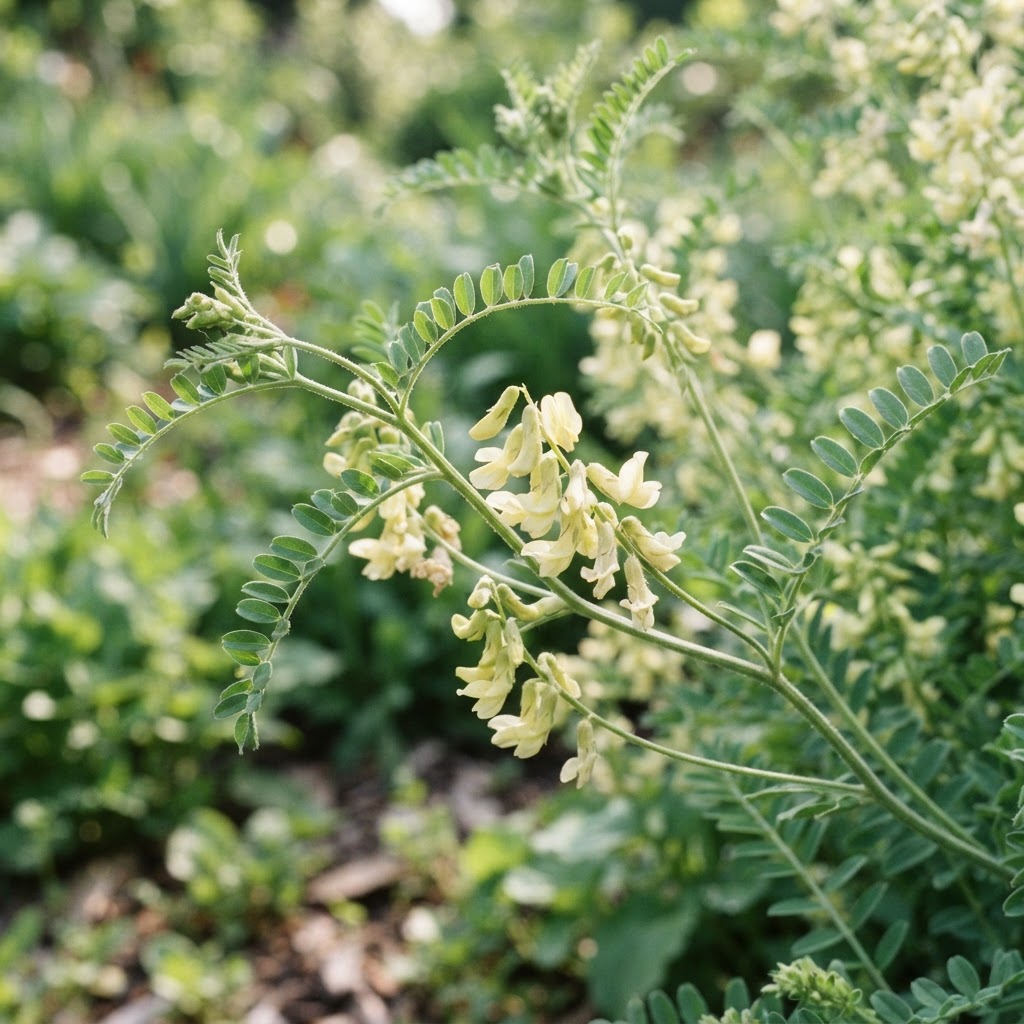
In the Garden
How It's Traditionally Prepared
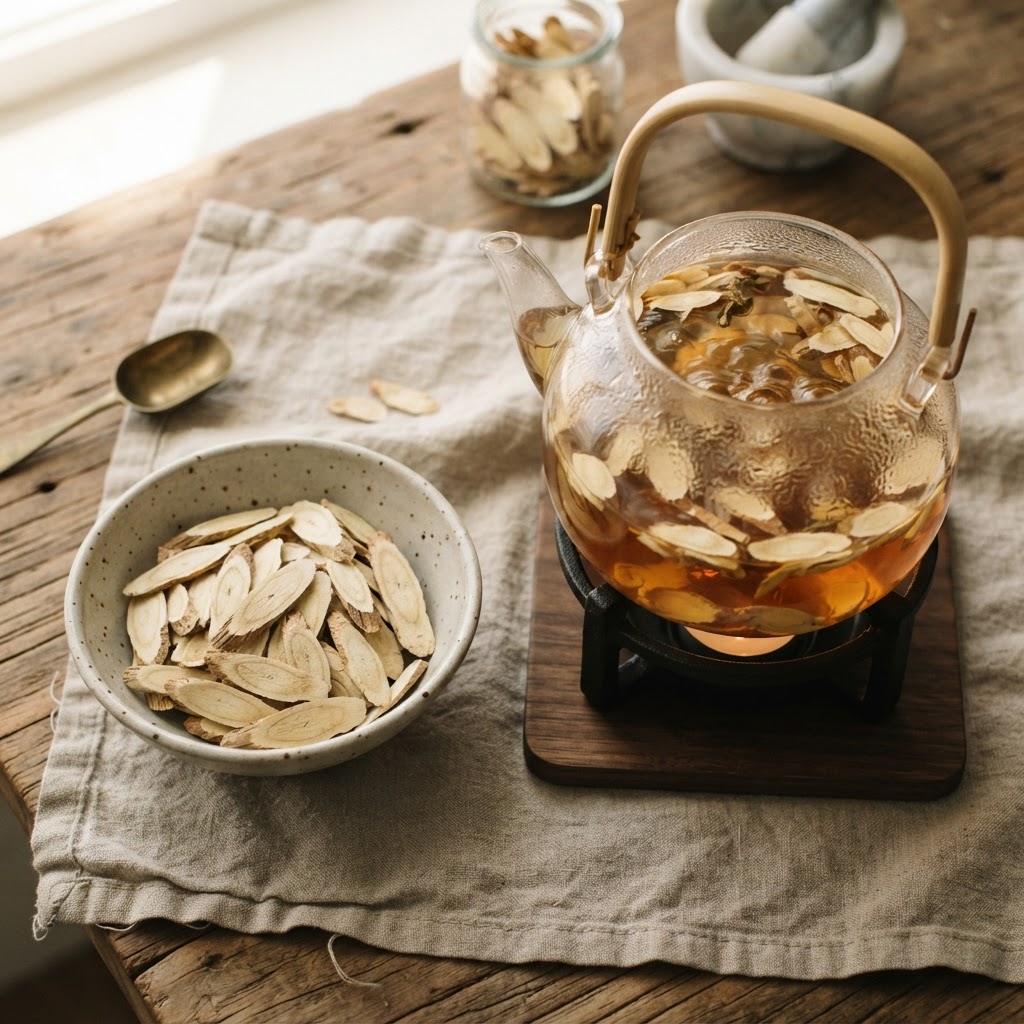
Simmered Decoction
9–30 g dried root, simmered 20–30 minThe classic preparation. Often combined with reishi, codonopsis, or ginger. Sip through the day.
Sliced Root in Soups & Congee
6–12 g slices, cooked into foodThe gentlest daily method. The slices are strained out before eating and the broth is where the medicine lives.
Standardized Extract or Capsules
500–1,500 mg, 1–2x dailyLook for a standardized astragalus extract for reliable polysaccharide content. Convenient for travel and busy seasons.
Tincture
1–3 mL, 2–3x dailyUseful for children and for those who don't enjoy tea. Best held in the mouth briefly before swallowing.
How to Use It
Astragalus is a tonic, so consistency matters more than dose. Start in early autumn and take it daily through the winter months, or use it in a concentrated course during recovery from illness. The most traditional method is a long simmer: the root is tough and starchy, and its polysaccharides extract best in water over 20 to 30 minutes. Add a few slices to soups, stews, or rice congee — a common daily habit in Chinese households. Traditional practice holds that astragalus is best used preventively and paused during an acute infection with high fever, then resumed once the acute phase passes to rebuild strength. Take a short break every few months of continuous use, and let a practitioner tailor it if you are on medication or being treated for a chronic condition.
What Research Shows
Astragalus has been studied in randomized trials for recurrent upper respiratory infections, with several showing fewer episodes and shorter duration of illness compared with placebo. Laboratory and clinical work also examines its effect on immune markers, fatigue, heart function, and inflammatory signaling. A small 2017 pilot study on an astragalus-based formula and telomere length generated interest in healthy aging, though the evidence is early. Chinese clinical research continues into support during conventional cancer treatment, where astragalus formulas are studied for immune recovery and quality of life — always under medical supervision.
Cautions & Interactions
Astragalus is generally well tolerated. Because it is a tonic, traditional practice avoids it during an acute infection with high fever until the fever has settled. Because it stimulates immune activity, use caution with autoimmune conditions (lupus, rheumatoid arthritis, multiple sclerosis) and with immunosuppressant medications such as transplant drugs — discuss with your practitioner first. It may interact with blood thinners (warfarin), blood pressure medications, lithium, and immunosuppressants, and may add to the effect of blood sugar medications. Check with your practitioner before use during pregnancy or breastfeeding, and before any surgery.
Where to Buy Astragalus
Practitioner-grade Astragalus from our Fullscript dispensary — shipped to your door.
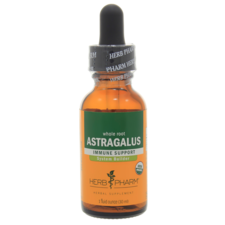
Herb Pharm
Astragalus
30 Milliliters
Order on Fullscript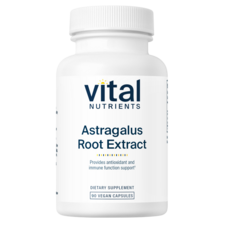
Vital Nutrients
Astragalus Root Extract 600 mg
90 capsules
Order on Fullscript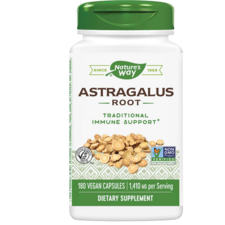
Nature's Way
Astragalus Root
180 capsules
Order on Fullscript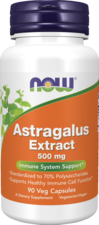
NOW Foods
Astragalus Extract 500mg
90 capsules
Order on Fullscript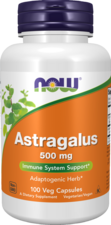
NOW Foods
Astragalus 500mg
100 capsules
Order on Fullscript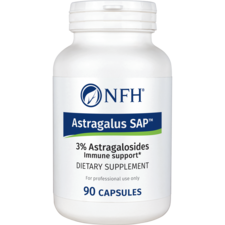
Nutritional Fundamentals for Health
Astragalus SAP Adaptogenic
90 capsules
Order on Fullscript
Herbalist & Alchemist
Astragalus Extract
60 Milliliters
Order on Fullscript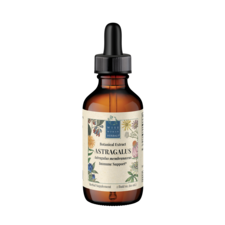
Wise Woman Herbals
Astragalus membranaceus
60 Milliliters
Order on FullscriptLooking for recipes?
Astragalus belongs in the kitchen as much as the medicine cabinet. Our nutrition team builds meal plans around herbs like this one — real food, real cooking, and a plan made for your body.
Want a plan built around herbs like this?
Our practitioners design personalized botanical protocols based on your unique health picture.
This herb study is for educational purposes only and is not intended to diagnose, treat, cure, or prevent any disease. Always consult with a qualified healthcare professional before making changes to your healthcare regimen.